
When planning for pregnancy, not every step is visible. Sometimes, the process involves understanding what’s happening internally, especially when conception takes longer than expected.
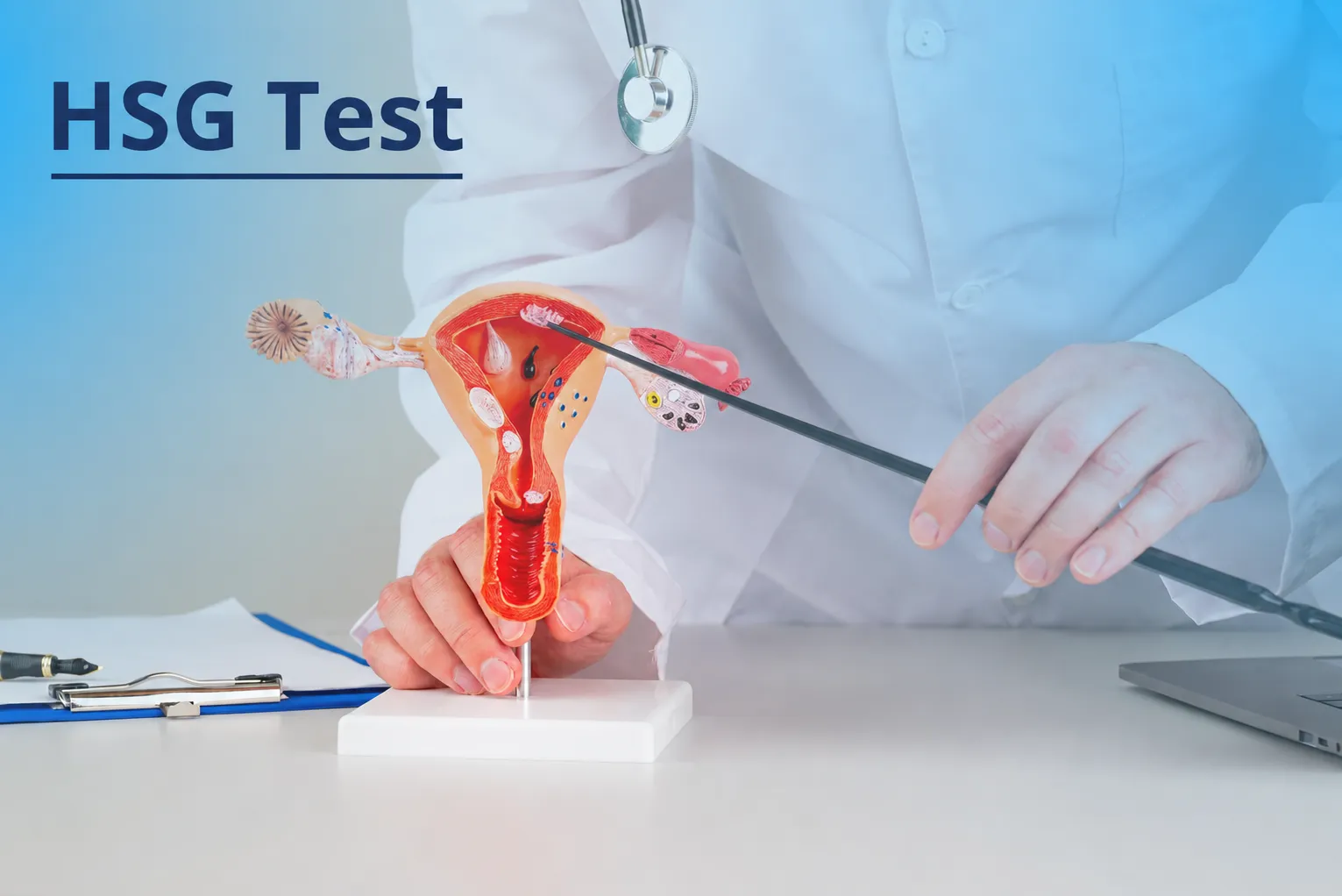
An HSG test (Hysterosalpingography) is commonly used to evaluate the condition of the uterus and fallopian tubes. It helps identify whether the pathways required for conception are clear and functioning properly.
One of the reasons this test feels intimidating is simply the unfamiliarity. Questions like “Will it be painful?” or “Is it really necessary?” are quite common. In reality, the test is usually short and performed under guided conditions to ensure safety and comfort.
It is often recommended when:
- There has been a delay in conception
- Previous tests have not identified a clear reason
- There is a need to assess tubal blockage
Understanding these aspects can provide valuable direction for further treatment, if required. In many cases, it helps narrow down the next steps rather than leaving things uncertain.
What matters most is timing and proper guidance, knowing when such a test is useful can prevent unnecessary delays in fertility planning.
At Dr. Karishma Shirgaonkar in Vile Parle, the emphasis is on explaining each step before the procedure, so patients feel informed and prepared rather than anxious.
If you’ve been advised fertility evaluation or are unsure about the next step, understanding tests like HSG can help bring more clarity to the journey.
Keywords