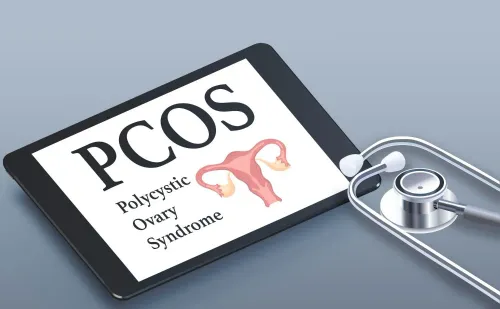
Polycystic Ovary Syndrome is one of the most common hormonal conditions affecting women during their reproductive years. Effective PCOS Care involves much more than symptom management. It focuses on understanding hormonal changes, supporting long-term reproductive health, and reducing the risk of future health complications through personalized management.
Women across Vile Parle and Maharashtra are becoming increasingly aware that early diagnosis and consistent care can make a meaningful difference in managing this condition.
Understanding How PCOS Affects the Body
PCOS influences hormone production, which may affect:
- Ovulation
- Menstrual cycles
- Fertility
- Skin health
- Weight management
- Metabolic health
Not every woman experiences the same symptoms, which is why individual assessment remains important.
Common Symptoms of PCOS
Symptoms may include:
- Irregular menstrual cycles
- Acne
- Excess facial or body hair
- Weight gain
- Difficulty conceiving
- Hair thinning
- Oily skin
Some women may have only a few symptoms, while others experience several at the same time.
How PCOS Is Diagnosed
Diagnosis usually involves combining several pieces of information rather than relying on a single test.
Evaluation may include:
- Medical history
- Menstrual history
- Physical examination
- Blood investigations
- Hormone testing
- Pelvic ultrasound
Accurate diagnosis helps rule out other conditions with similar symptoms.
Lifestyle Changes That Support PCOS Care
Daily habits often play an important role in long-term management.
Helpful strategies include:
- Following a balanced eating pattern
- Maintaining regular physical activity
- Achieving a healthy weight when appropriate
- Managing stress effectively
- Getting adequate sleep
- Attending regular follow-up appointments
These measures can support overall hormonal and metabolic health.
Why Regular Monitoring Is Important
PCOS may increase the likelihood of developing certain long-term health concerns, including:
- Type 2 diabetes
- High blood pressure
- Elevated cholesterol
- Endometrial changes
Routine medical reviews allow healthcare providers to monitor overall health and recommend appropriate preventive measures.
When Should You Consult a Gynecologist?
Medical advice should be considered if you experience:
- Persistent irregular periods
- Difficulty becoming pregnant
- Unexplained weight gain
- Severe acne
- Excessive hair growth
- Frequent missed menstrual cycles
Early diagnosis allows treatment plans to be tailored according to individual symptoms and future reproductive goals.
Taking a Long-Term View of Women's Health
PCOS is a lifelong condition for many women, but appropriate medical care and healthy lifestyle practices can help manage symptoms effectively.
Dr. Karishma Shirgaonkar provides comprehensive evaluation and personalized PCOS management based on each patient's health profile and reproductive goals. A structured approach helps women better understand their condition while supporting their long-term reproductive and overall health.
Keywords