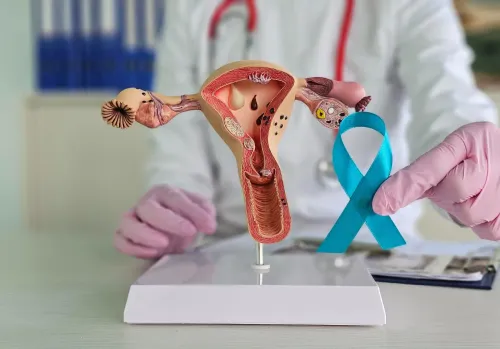
Menopause is a natural stage of life, but the symptoms surrounding it can vary considerably. Some women experience only minor changes, while others find hot flushes, sleep disruption, vaginal dryness, mood changes, or other symptoms difficult to manage.
Appropriate menopause treatment is therefore based on symptom severity, medical history and personal preferences rather than a single standard prescription.
Women in Mumbai and across Maharashtra can benefit from discussing symptoms that interfere with work, relationships, sleep, sexual health, or everyday comfort.
Which Symptoms May Occur
The transition toward menopause can involve:
- Changes in menstrual patterns
- Hot flushes
- Night sweats
- Sleep disturbance
- Vaginal dryness
- Discomfort during intercourse
- Mood changes
- Urinary symptoms
- Changes in bone health over time
Other medical conditions can produce similar symptoms, so new complaints should not automatically be attributed to menopause.
Comparing Treatment Approaches
Management can involve non-hormonal strategies, local treatments for vaginal symptoms, systemic menopausal hormone therapy in suitable patients, and treatment of specific health concerns.
The best approach depends on which symptoms are most troublesome.
For example, a patient whose main concern is vaginal dryness may not need the same management as someone experiencing significant hot flushes throughout the day.
Hormonal Treatment Requires Individual Assessment
Menopausal hormone therapy can be effective for certain symptoms in appropriately selected patients, but it is not suitable for everyone.
The benefits and risks depend on factors including age, timing relative to menopause, symptoms, personal medical history and the specific type of therapy considered.
A clinical assessment is therefore important before starting hormonal medication.
Looking Beyond Immediate Symptoms
Menopause consultations can also provide an opportunity to review preventive health.
Depending on age and risk factors, discussions may cover bone health, cardiovascular risk, breast health, cervical screening, exercise, nutrition and other preventive measures.
Dr. Karishma Shirgaonkar can assess menopausal symptoms in the wider context of a woman’s gynecological and general health.
Follow-Up After Starting Treatment
Treatment should be reviewed rather than continued indefinitely without reassessment. Follow-up helps determine whether symptoms have improved and whether side effects or new health concerns have developed.
The review schedule depends on the treatment and the patient’s health profile.
Frequently Asked Questions
Does every woman need treatment during menopause
No. Treatment is generally considered according to symptoms, health risks and individual preferences.
Is hormone therapy the only option
No. Non-hormonal and symptom-specific approaches are available.
How long does menopause treatment take
The duration varies. Some symptoms change over time, and treatment decisions should be periodically reviewed.
Is bleeding after menopause normal
Postmenopausal bleeding should be medically evaluated rather than assumed to be a normal menopausal symptom.
Menopause care should focus on quality of life as well as longer-term health. A personalised assessment can help distinguish expected menopausal changes from symptoms requiring investigation and identify a treatment approach suited to the individual patient.
Keywords