
For many couples, becoming pregnant happens naturally within a reasonable period. For others, conception may take longer than expected, leading to questions about possible causes and available treatment options. Understanding infertility begins with recognising that it can affect both women and men and often has multiple contributing factors.
Couples from Vile Parle and other parts of Maharashtra increasingly seek early fertility evaluations instead of waiting for prolonged periods without answers. Early assessment may help identify treatable conditions and guide appropriate management.
When Should Couples Consider Fertility Evaluation?
General recommendations suggest seeking medical advice if:
- Pregnancy has not occurred after one year of regular unprotected intercourse.
- Women aged above 35 years may benefit from earlier evaluation after six months.
- Menstrual cycles are highly irregular.
- There is a known reproductive health condition.
- Previous pelvic surgery or pregnancy complications are present.
Individual circumstances may require earlier consultation.
Common Causes of Female Infertility
Several conditions may influence fertility, including:
- Ovulation disorders
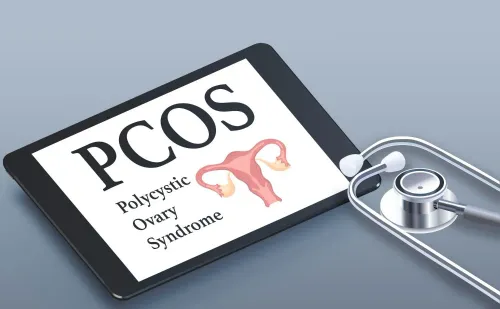
- Polycystic Ovary Syndrome (PCOS)
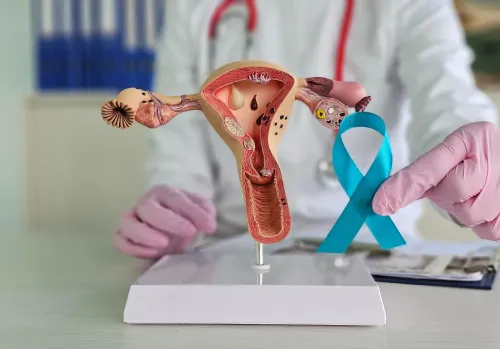
- Endometriosis
- Blocked fallopian tubes
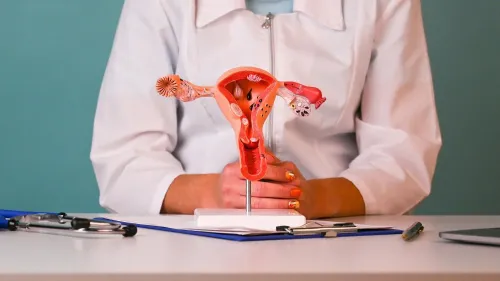
- Uterine abnormalities
- Hormonal imbalance
- Age-related decline in egg quality
Identifying the underlying cause helps determine the most suitable treatment approach.
Male Factors Also Matter
Approximately half of infertility cases involve male factors either alone or together with female factors.
Evaluation may include:
- Semen analysis
- Medical history
- Hormonal assessment
- Physical examination
Assessing both partners provides a more complete understanding of fertility challenges.
What Happens During Fertility Assessment?
A fertility consultation often includes:
- Detailed medical history
- Menstrual and reproductive history
- Lifestyle evaluation
- Blood investigations
- Ultrasound examination
- Additional diagnostic tests when required
Not every couple needs extensive testing, and investigations are recommended based on individual findings.
Lifestyle Factors That Influence Fertility
Certain lifestyle changes may support reproductive health.
These include:
- Maintaining a healthy weight
- Following a balanced diet
- Limiting alcohol consumption
- Avoiding tobacco use
- Managing stress
- Exercising regularly without excessive intensity
While lifestyle improvements can be beneficial, they may not replace medical treatment when an underlying condition exists.
Available Treatment Options
Treatment depends entirely on the identified cause and may include:
- Ovulation monitoring
- Medication
- Hormonal therapy
- Surgical correction of specific conditions
- Assisted reproductive techniques when indicated
Every treatment plan is individualised rather than following a standard pathway.
Taking the First Step With Confidence
Experiencing difficulty conceiving can be emotionally challenging, but many underlying causes are identifiable and manageable with appropriate medical care.
Dr. Karishma Shirgaonkar evaluates fertility concerns through comprehensive assessment and personalized treatment planning based on each couple's medical history and reproductive goals. Early consultation provides valuable information that can support informed decisions throughout the fertility journey.
Keywords