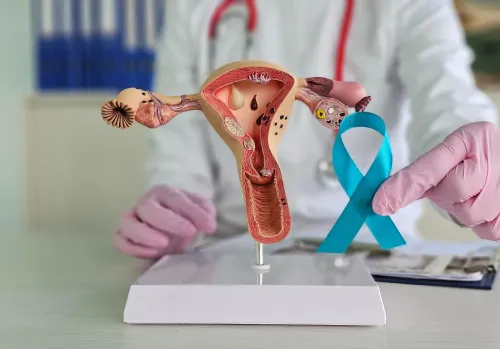
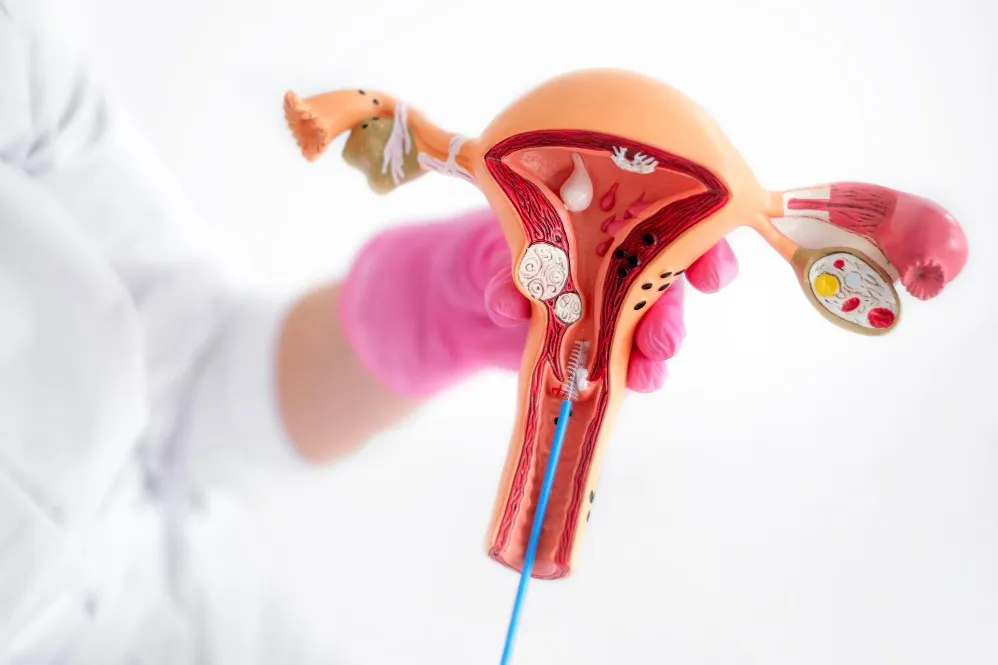
Many uterine conditions cannot be fully understood through symptoms alone. Hysteroscopy is a minimally invasive procedure that allows doctors to examine the inside of the uterus using a thin camera, helping diagnose and sometimes treat various gynecological problems without the need for major surgery.
Women in Vile Parle and across Maharashtra are increasingly offered hysteroscopy when routine examinations or imaging suggest abnormalities inside the uterus. Learning how this procedure works helps patients approach it with greater confidence.
What Is a Hysteroscopy?
During hysteroscopy, a slender telescope-like instrument called a hysteroscope is gently passed through the cervix into the uterus.
This allows the doctor to directly examine the uterine cavity and identify abnormalities that may not always be clearly visible on ultrasound.
In many situations, treatment can also be performed during the same procedure.
When Might Hysteroscopy Be Recommended?
A gynecologist may advise hysteroscopy for several reasons, including:
- Abnormal uterine bleeding
- Recurrent miscarriage evaluation
- Infertility assessment
- Removal of uterine polyps
- Evaluation of uterine fibroids
- Removal of retained tissue
- Assessment of congenital uterine abnormalities
The recommendation depends on clinical findings and individual symptoms.
Benefits of Direct Uterine Examination
Hysteroscopy provides several clinical advantages.
It allows doctors to:
- View the uterine cavity directly
- Confirm suspected abnormalities
- Obtain tissue samples when necessary
- Remove selected growths during the same procedure
- Reduce the need for more invasive surgery in appropriate cases
The exact treatment plan depends on the condition identified.
Preparing for the Procedure
Preparation usually includes:
- Review of medical history
- Physical examination
- Pregnancy testing when appropriate
- Discussion about anaesthesia if required
- Explanation of the procedure and expected recovery
Understanding each step helps patients feel better prepared.
Recovery Following Hysteroscopy
Recovery is generally straightforward for many women.
Temporary symptoms may include:
- Mild cramping
- Light vaginal bleeding
- Slight discomfort
Patients are usually advised regarding activity restrictions, medications, follow-up appointments, and warning signs that require immediate medical attention.
Discussing the Procedure With Your Gynecologist
Before undergoing hysteroscopy, patients should understand:
- Why the procedure is recommended
- Whether treatment may be performed during the same session
- Expected recovery time
- Possible risks
- Follow-up care requirements
Clear communication allows women to participate confidently in treatment planning.
Choosing the Right Diagnostic Approach
Not every uterine condition requires hysteroscopy, but when recommended, it can provide valuable diagnostic information and allow treatment of selected abnormalities through a minimally invasive approach.
Dr. Karishma Shirgaonkar offers personalized gynecological evaluation to determine whether hysteroscopy is appropriate based on each patient's symptoms, examination findings, and overall reproductive health.
Keywords