For many couples, the journey toward parenthood happens naturally. However, when pregnancy does not occur despite regular attempts, doctors may recommend certain diagnostic tests to understand the possible reasons. One such investigation is the HSG test, a commonly performed procedure that helps evaluate the uterus and fallopian tubes. Although the name may sound intimidating, understanding the purpose of the test and what it involves can make the experience much less stressful.
Women in Vile Parle and across Mumbai who are undergoing fertility evaluation are often advised to undergo an HSG test as part of a comprehensive assessment. Rather than being a treatment, this procedure provides valuable information that helps gynecologists determine the most suitable next steps for fertility planning.
What Is an HSG Test?
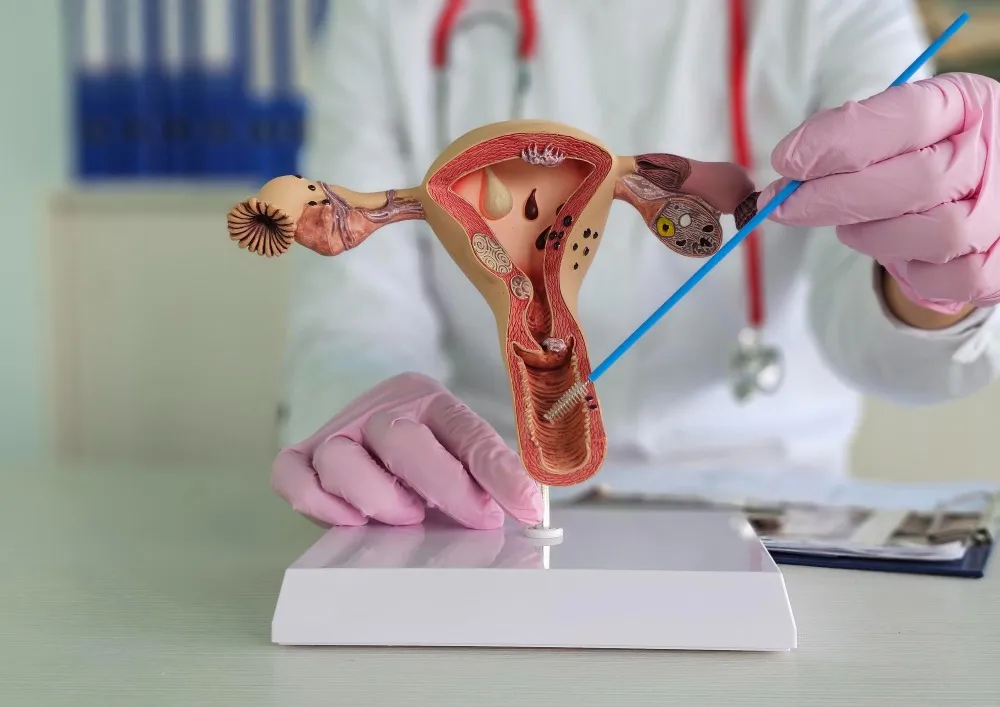
HSG stands for Hysterosalpingography, a specialized X-ray procedure used to examine the inside of the uterus and check whether the fallopian tubes are open. During the test, a contrast dye is gently introduced into the uterus through the cervix. X-ray images are then taken as the dye flows through the reproductive tract.
The procedure helps identify structural abnormalities that may interfere with conception or increase the risk of pregnancy complications.
Why Is an HSG Test Recommended?
An HSG test is usually advised when a woman has difficulty conceiving or when a healthcare provider wants to evaluate the reproductive organs after certain medical conditions or procedures.
Your gynecologist may recommend an HSG test if you have:
- Been trying to conceive for several months without success
- A history of recurrent miscarriages
- Previous pelvic infections
- Suspected blocked fallopian tubes
- Endometriosis
- Uterine abnormalities
- Previous pelvic or abdominal surgery
- A history of ectopic pregnancy
The findings from the test help guide further investigations or fertility treatment, if required.
What Can an HSG Test Detect?
The HSG test provides important information about the reproductive system. While it cannot diagnose every fertility issue, it is particularly useful for evaluating the uterine cavity and fallopian tubes.
The procedure may help identify:
- Blocked fallopian tubes
- Uterine polyps
- Fibroids affecting the uterine cavity
- Congenital uterine abnormalities
- Scar tissue inside the uterus
- Adhesions
- Changes following previous surgery
These findings allow doctors to recommend appropriate management based on the underlying cause.
How Should You Prepare for the Test?
Proper preparation helps make the procedure smoother and more comfortable. Your healthcare provider will explain the timing and any specific instructions before scheduling the test.
Preparation generally includes:
- Scheduling the test after your menstrual period but before ovulation
- Informing your doctor about allergies, especially to contrast dye
- Sharing details about current medications
- Reporting any possibility of pregnancy
- Mentioning previous pelvic infections
- Following instructions regarding pain relief medication if advised
The test is generally avoided during pregnancy or when an active pelvic infection is suspected.
What Happens During the Procedure?
The HSG test is usually performed as an outpatient procedure and often takes around 15 to 30 minutes.
The typical steps include:
- You will lie on an examination table similar to a routine gynecological examination.
- A speculum is inserted to visualize the cervix.
- A thin catheter is gently placed into the uterus.
- Contrast dye is slowly introduced through the catheter.
- X-ray images are taken while the dye moves through the uterus and fallopian tubes.
- Once imaging is complete, the instruments are removed, and you can usually return home shortly afterward.
Most women can resume normal activities on the same day unless advised otherwise.
Is the HSG Test Painful?
One of the most common concerns is whether the HSG test causes significant pain. Experiences vary from person to person.
Some women report:
- Mild cramping
- Temporary pelvic discomfort
- A feeling similar to menstrual cramps
- Slight pressure during dye injection
These sensations usually last only a short time and improve quickly after the procedure. If severe pain develops afterward, medical advice should be sought promptly.
Are There Any Risks?
The HSG test is generally considered safe when performed under appropriate medical supervision. Like any medical procedure, it carries a small possibility of complications, although serious problems are uncommon.
Potential risks include:
- Mild infection
- Allergic reaction to the contrast dye
- Temporary spotting
- Pelvic discomfort
- Rare injury to the uterus
Following the doctor's post-procedure instructions helps reduce the likelihood of complications.
What Happens After the Results?
The results of the HSG test help determine the next step in fertility evaluation. If the uterus and fallopian tubes appear normal, your doctor may investigate other possible causes of infertility. If abnormalities are detected, further treatment or additional diagnostic procedures may be recommended.
Depending on the findings, management may include:
- Additional imaging
- Fertility medications
- Laparoscopy
- Hysteroscopy
- Assisted reproductive techniques when appropriate
- Treatment for uterine abnormalities
The HSG test forms only one part of a comprehensive fertility assessment and should always be interpreted alongside clinical evaluation and other investigations.
When Should You Consult a Gynecologist About Fertility Testing?
If you have been trying to conceive without success or have a history of reproductive health concerns, discussing fertility evaluation with a gynecologist can help determine whether investigations such as an HSG test are appropriate.
Women seeking guidance regarding an HSG test in Vile Parle can benefit from individualized fertility evaluation based on their medical history and reproductive goals. Dr. Karishma Shirgaonkar provides comprehensive gynecological assessment and explains each stage of fertility investigations, helping patients understand their options and make informed decisions about future care. More information about women's health and fertility services is available through drkarishmagynecologist.com.
Keywords