
Starting a family is an important milestone for many couples, but conception does not always happen as quickly as expected. While it is natural for pregnancy to take time, prolonged difficulty in conceiving can become emotionally challenging and may raise several questions. Understanding when to seek medical advice and what infertility treatment involves can help couples make informed decisions without unnecessary anxiety.
Infertility is a common reproductive health concern that affects both men and women. It is important to remember that infertility is not solely a female issue, and evaluation often involves both partners. Women in Vile Parle and across Mumbai are increasingly seeking early fertility assessments to identify potential causes and explore appropriate treatment options based on their individual circumstances.
What Is Infertility?
Infertility is generally defined as the inability to achieve pregnancy after a specific period of regular, unprotected intercourse. The time frame depends on age and certain medical conditions.
Medical evaluation is commonly recommended:
- After 12 months of trying to conceive if the woman is under 35 years of age.
- After 6 months if the woman is 35 years or older.
- Earlier if there are known reproductive health concerns such as irregular menstrual cycles, endometriosis, or previous pelvic surgery.
Seeking medical advice does not necessarily mean fertility treatment will be required. In many cases, identifying and addressing the underlying cause may improve the chances of conception.
What Causes Infertility?
Several factors can affect fertility, and in some situations, more than one cause may be present. Both female and male reproductive health play an important role in successful conception.
Common Female Factors
Women may experience fertility challenges due to:
- Irregular ovulation
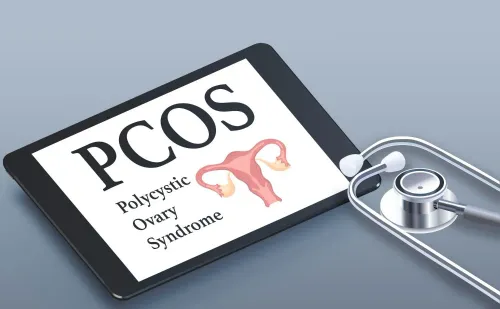
- Polycystic Ovary Syndrome (PCOS)
- Blocked fallopian tubes
- Endometriosis
- Uterine fibroids
- Hormonal imbalances
- Age-related decline in egg quality
- Previous pelvic infections
Common Male Factors
Male fertility may be affected by:
- Low sperm count
- Poor sperm motility
- Abnormal sperm shape
- Hormonal disorders
- Certain medical conditions
- Lifestyle factors such as smoking or excessive alcohol consumption
Because fertility depends on both partners, evaluation is usually recommended for the couple rather than only one individual.
What Happens During a Fertility Evaluation?
The first consultation focuses on understanding the couple's medical history, lifestyle, and reproductive health. Your gynecologist may recommend investigations to identify possible causes before discussing treatment options.
The evaluation may include:
- Detailed menstrual history
- Review of previous pregnancies or miscarriages
- Medical and surgical history
- Physical examination
- Blood tests to assess hormone levels
- Ovulation assessment
- Ultrasound examination
- HSG test to evaluate the uterus and fallopian tubes
- Semen analysis for the male partner
Not every couple requires every investigation. The tests are selected based on individual medical findings.
Lifestyle Factors That Can Influence Fertility
In some cases, making healthy lifestyle changes may improve reproductive health. Although these changes may not resolve every fertility problem, they can support overall well-being and treatment outcomes.
Healthy habits include:
- Maintaining a healthy body weight
- Eating a balanced diet
- Exercising regularly without excessive physical strain
- Avoiding smoking and tobacco use
- Limiting alcohol intake
- Managing stress effectively
- Getting adequate sleep
- Controlling chronic medical conditions such as diabetes or thyroid disorders
Both partners are encouraged to adopt healthy habits while trying to conceive.
Understanding Infertility Treatment Options
Infertility treatment depends entirely on the underlying cause, age, duration of infertility, and overall health of both partners. The goal is to recommend the least invasive and most appropriate treatment based on individual needs.
Treatment options may include:
Ovulation Induction
Medications may be prescribed to stimulate regular ovulation in women who are not ovulating consistently.
Treatment of Underlying Conditions
Managing hormonal disorders, thyroid disease, PCOS, or infections may improve fertility in some women.
Surgical Management
Certain conditions, such as uterine fibroids, endometrial polyps, or blocked fallopian tubes, may require surgical treatment.
Assisted Reproductive Techniques
In selected situations, assisted reproductive procedures such as intrauterine insemination (IUI) or in vitro fertilization (IVF) may be considered after careful evaluation.
Your gynecologist will explain the advantages, limitations, and suitability of each option before making recommendations.
Common Myths About Infertility
Many misconceptions prevent couples from seeking timely medical advice.
Myth: Infertility is always caused by the woman.
Fact: Male factors contribute to infertility in a significant number of couples.
Myth: Pregnancy will happen naturally if you simply wait longer.
Fact: While patience is important, delaying evaluation may reduce treatment options in some cases, particularly as maternal age increases.
Myth: Infertility treatment always means IVF.
Fact: Many couples conceive with simpler treatments after identifying the underlying cause.
When Should You Consult a Gynecologist?
Consider scheduling a fertility consultation if you:
- Have been trying to conceive without success.
- Experience irregular or absent menstrual periods.
- Have severe menstrual pain or diagnosed endometriosis.
- Have had recurrent miscarriages.
- Have undergone previous pelvic surgery.
- Are over 35 years of age and planning pregnancy.
- Have a known reproductive or hormonal condition.
Early evaluation often helps identify treatable causes and allows couples to understand the available options without unnecessary delay.
Women seeking infertility treatment in Vile Parle can consult Dr. Karishma Shirgaonkar for comprehensive fertility evaluation and personalized reproductive healthcare. Each treatment plan is developed after a detailed assessment of both medical history and diagnostic findings, ensuring evidence-based guidance that supports informed family planning decisions. Additional information about fertility and women's health services is available through drkarishmagynecologist.com.
Keywords