Pregnancy involves regular health check-ups and monitoring to ensure the well-being of both the mother and the baby. While ultrasounds and routine blood tests are familiar to most expectant mothers, a Non Stress Test (NST) is another important assessment that may be recommended during the later stages of pregnancy. The name of the test can sometimes cause unnecessary concern, but it is a simple, non-invasive procedure that provides valuable information about the baby's health.
For women in Vile Parle and across Mumbai, understanding the purpose of a Non Stress Test can reduce anxiety and help them feel more prepared if their gynecologist recommends it. Knowing when the test is performed, what it measures, and how the results are interpreted allows expectant mothers to participate confidently in their pregnancy care.
What Is a Non Stress Test?
A Non Stress Test, commonly known as an NST, is a prenatal test that evaluates the baby's heart rate in response to its natural movements. The term 'non-stress' means that the test does not place any physical stress on the baby or the mother. Instead, it observes how the baby's heart responds during normal activity inside the womb.
A healthy baby usually shows temporary increases in heart rate when moving, indicating that sufficient oxygen is reaching the fetus and that the baby is responding normally.
The test is painless, does not involve injections or radiation, and is commonly performed in a hospital or clinic setting.
Why Is an NST Recommended?
An NST is not required for every pregnancy. It is generally advised when a healthcare provider wishes to monitor the baby's well-being more closely due to certain maternal or pregnancy-related factors.
Your gynecologist may recommend a Non Stress Test if:
- Your pregnancy has crossed the expected due date.
- You have high blood pressure during pregnancy.
- You have gestational diabetes or pre-existing diabetes.
- There is concern about reduced fetal movements.
- You are carrying twins or multiple babies.
- There is a history of pregnancy complications.
- The baby appears smaller than expected for the stage of pregnancy.
- You have certain medical conditions that may affect pregnancy.
- Additional fetal monitoring is considered necessary.
The decision is based on your individual pregnancy and clinical findings rather than following a routine schedule.
When Is the Test Usually Performed?
A Non Stress Test is typically performed during the third trimester, most often after 28 weeks of pregnancy, when the baby's nervous system is developed enough to produce reliable heart rate responses.
Depending on your pregnancy, the test may be done:
- Once for reassurance
- Weekly
- Twice a week
- More frequently if medically indicated
The frequency depends entirely on the health of the mother and the baby.
What Happens During the Procedure?
Many women are surprised by how simple the test actually is.
During the NST:
- You will be asked to sit in a comfortable reclining chair or lie slightly tilted on an examination bed.
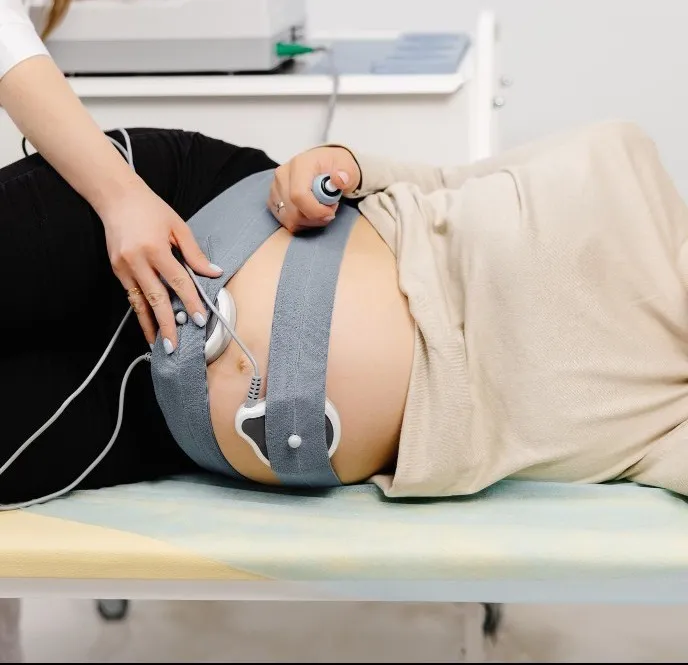
- Two monitoring belts are placed around your abdomen.
- One sensor records the baby's heart rate.
- The second sensor detects uterine activity and fetal movement.
- You may be given a button to press whenever you feel the baby move.
- The recording usually continues for about 20 to 40 minutes.
If the baby happens to be sleeping, the monitoring period may be extended slightly until sufficient activity is observed.
How Are the Results Interpreted?
The NST results help your healthcare provider understand whether additional monitoring is needed.
Reactive NST
A reactive result generally means the baby's heart rate increases appropriately with movement. This is usually considered reassuring.
Non-Reactive NST
A non-reactive result simply means that the expected heart rate changes were not observed during the monitoring period.
This does not automatically indicate a problem. There are several reasons why this may happen, including:
- The baby may be asleep.
- The pregnancy may be earlier than expected.
- Certain medications may temporarily affect fetal activity.
If necessary, your gynecologist may recommend repeating the test or performing additional investigations such as a biophysical profile or ultrasound.
Is the NST Safe?
Yes. The Non Stress Test is considered very safe for both the mother and the baby.
The procedure:
- Does not use radiation
- Does not involve needles
- Does not cause pain
- Does not stimulate labour
- Is non-invasive
It simply records naturally occurring fetal heart rate patterns and movements.
How Can You Prepare for an NST?
Special preparation is usually not required, but a few simple steps can make the appointment more comfortable.
Before the test:
- Eat a light meal unless instructed otherwise.
- Stay hydrated.
- Wear comfortable clothing.
- Arrive a few minutes early.
- Inform your doctor about any medications you are taking.
Some women find that having a light snack before the appointment helps the baby become more active, although this is not always necessary.
Common Questions About the Non Stress Test
Does an NST tell whether my baby is healthy?
The NST provides important information about the baby's heart rate and activity at the time of testing. It is one part of overall pregnancy monitoring and is interpreted along with other clinical findings.
Can I drive home afterward?
Yes. Since the procedure is non-invasive and does not require anaesthesia, most women can resume their normal daily activities immediately after the appointment.
Will I need additional tests?
If the NST result raises questions or if your pregnancy requires closer observation, your doctor may recommend further evaluation. This is done to gather more information rather than to assume there is a problem.
The Importance of Regular Pregnancy Monitoring
Every pregnancy is different, and the need for tests such as the Non Stress Test depends on individual medical circumstances. Attending scheduled prenatal visits allows your healthcare provider to monitor your baby's development, identify concerns early, and recommend appropriate investigations whenever necessary.
Women seeking guidance regarding a Non Stress Test in Vile Parle can consult Dr. Karishma Shirgaonkar for comprehensive pregnancy care and fetal monitoring. Each assessment is tailored to the mother's health, pregnancy progress, and clinical needs, ensuring informed and evidence-based care throughout the pregnancy journey. Additional information about prenatal services is available through drkarishmagynecologist.com.
Keywords