Polycystic Ovary Syndrome (PCOS) is one of the most common hormonal conditions affecting women of reproductive age. Although it is widely discussed today, many women continue to overlook its early symptoms or mistake them for routine hormonal changes. Understanding the condition and seeking timely medical guidance can help manage symptoms effectively while reducing the risk of long-term health concerns.
Women in Vile Parle and across Mumbai are becoming increasingly aware of reproductive health, yet PCOS remains a condition that is often diagnosed only after symptoms begin interfering with daily life or fertility. Learning about its causes, warning signs, and available treatment options empowers women to take informed steps toward better health.
What Is PCOS?
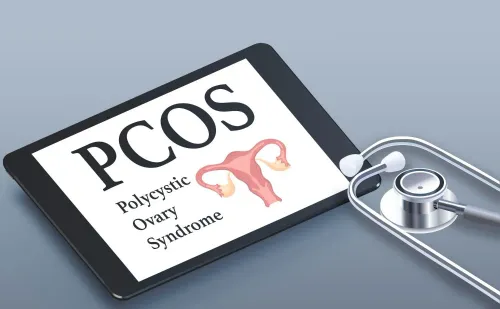
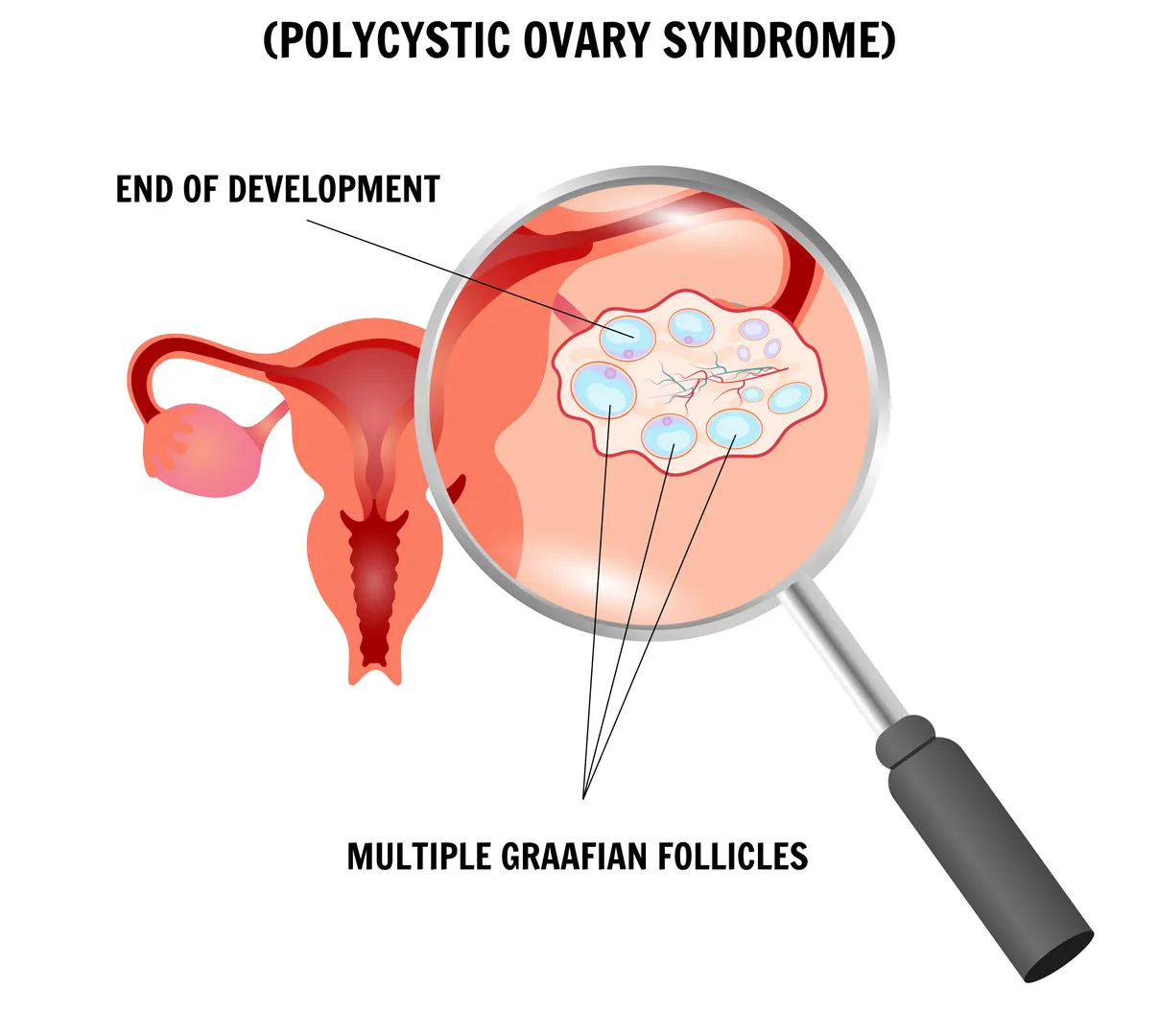
PCOS is a hormonal disorder that affects the normal functioning of the ovaries. Women with PCOS may experience irregular ovulation, hormonal imbalance, and the development of multiple small follicles within the ovaries. While not every woman with PCOS experiences the same symptoms, the condition can affect menstrual health, metabolism, skin, hair, and fertility.
PCOS is a long-term condition, but with appropriate medical care and healthy lifestyle practices, many women successfully manage their symptoms and maintain good reproductive health.
Common Symptoms of PCOS
The signs of PCOS vary from one individual to another. Some women notice symptoms during their teenage years, while others become aware of the condition only when trying to conceive.
Common symptoms include:
- Irregular or missed menstrual periods
- Heavy or prolonged menstrual bleeding
- Acne that persists beyond adolescence
- Increased facial or body hair growth
- Hair thinning or hair loss
- Weight gain or difficulty losing weight
- Darkened skin around the neck or underarms
- Difficulty becoming pregnant due to irregular ovulation
Not every symptom confirms PCOS, which is why proper medical evaluation is important.
What Causes PCOS?
The exact cause of PCOS is not fully understood, but several factors are believed to contribute to its development.
These include:
- Hormonal imbalance
- Insulin resistance
- Family history of PCOS
- Genetic factors
- Metabolic disorders
- Lifestyle influences such as poor dietary habits and physical inactivity
Since multiple factors may work together, treatment is usually personalized rather than based on a single approach.
How Is PCOS Diagnosed?
Diagnosing PCOS involves evaluating symptoms, menstrual history, physical findings, and diagnostic investigations. A healthcare provider considers several criteria before confirming the diagnosis.
The evaluation may include:
- Detailed medical history
- Menstrual cycle assessment
- Physical examination
- Pelvic ultrasound
- Blood tests to evaluate hormone levels
- Blood sugar and insulin assessment
- Thyroid function tests when required
A comprehensive assessment helps rule out other conditions that may produce similar symptoms.
Can Lifestyle Changes Help?
Lifestyle modifications play a significant role in managing PCOS, particularly for women who are overweight or have insulin resistance. Even small, sustainable improvements can positively influence hormonal balance and menstrual regularity.
Helpful lifestyle practices include:
- Eating a balanced diet rich in vegetables, fruits, whole grains, and lean protein
- Limiting highly processed foods and sugary beverages
- Exercising regularly with a combination of aerobic activity and strength training
- Maintaining a healthy body weight
- Sleeping for adequate hours each night
- Managing stress through relaxation techniques or mindfulness
Lifestyle changes should complement medical care rather than replace it.
Medical Treatment for PCOS
Treatment depends on individual symptoms, age, reproductive goals, and overall health. Women planning a pregnancy may require a different treatment approach than those seeking symptom control.
Management options may include:
- Medicines to regulate menstrual cycles
- Treatment for acne or excessive hair growth
- Medication to improve insulin sensitivity
- Ovulation induction when pregnancy is planned
- Regular follow-up to monitor progress
The treatment plan is adjusted over time according to changing health needs.
Why Early Treatment Matters
Leaving PCOS unmanaged may increase the likelihood of developing additional health concerns over time. While not every woman experiences complications, regular monitoring helps reduce potential risks.
Long-term concerns associated with untreated PCOS may include:
- Fertility challenges
- Type 2 diabetes
- High blood pressure
- Elevated cholesterol
- Sleep disorders
- Endometrial abnormalities
Early diagnosis provides an opportunity to manage these risks proactively.
When Should You Consult a Gynecologist?
You should consider seeking medical advice if you notice:
- Irregular or absent periods for several months
- Persistent acne despite treatment
- Unexplained weight gain
- Excess facial hair growth
- Difficulty conceiving after trying for pregnancy
- A family history of PCOS with similar symptoms
Prompt evaluation helps determine whether PCOS or another hormonal condition is responsible for your symptoms.
Women looking for comprehensive PCOS care in Vile Parle can benefit from an individualized approach that combines medical evaluation, lifestyle guidance, and ongoing monitoring. Dr. Karishma Shirgaonkar provides personalized assessment based on each woman's health needs, helping patients understand their condition and make informed decisions about long-term reproductive wellness. More information about women's healthcare services is available through drkarishmagynecologist.com.
Keywords