
Menstrual cycles can vary from one woman to another, but they generally follow a predictable pattern. Changes in cycle length, heavy bleeding, severe cramps, missed periods, or irregular timing are common menstrual problems that many women experience at different stages of life. While occasional variations may not be a cause for concern, persistent symptoms deserve proper evaluation to identify their underlying cause.
Women in areas such as Vile Parle and across Maharashtra often balance demanding work schedules, family responsibilities, and lifestyle changes that can influence hormonal health. Recognising when menstrual changes are temporary and when they require medical advice can help prevent future complications.
What Is Considered a Normal Menstrual Cycle?
A typical menstrual cycle usually lasts between 21 and 35 days, with bleeding continuing for two to seven days. Although every woman has her own pattern, a cycle that suddenly changes without an obvious reason should not be ignored.
Normal variations may occur due to:
- Stress
- Changes in weight
- Increased physical activity
- Travel
- Temporary hormonal fluctuations
However, if changes continue for several months, a medical assessment becomes important.
Common Menstrual Problems Women Experience
Several conditions can affect menstrual health, including:
- Irregular periods
- Heavy menstrual bleeding
- Extremely painful periods
- Very light or absent periods
- Spotting between periods
- Cycles occurring too frequently or too far apart
Each symptom can have multiple causes, making professional evaluation essential instead of self-diagnosis.
Possible Reasons Behind Menstrual Irregularities
Menstrual changes may result from hormonal or structural conditions such as:
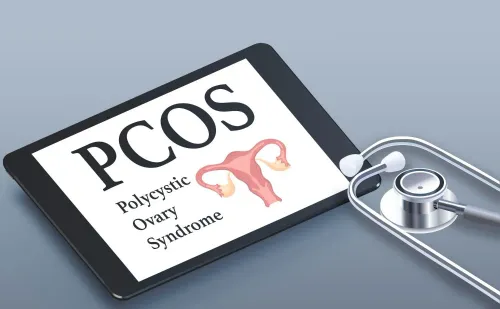
- Polycystic Ovary Syndrome (PCOS)
- Thyroid disorders
- Uterine fibroids
- Endometrial polyps
- Hormonal imbalance
- Pregnancy
- Perimenopause
- Certain medications
- Excessive physical or emotional stress
Identifying the exact reason allows treatment to focus on the underlying condition rather than simply managing symptoms.
Signs That Should Not Be Ignored
Medical attention is advisable if you experience:
- Bleeding that soaks through sanitary protection every hour
- Periods lasting longer than seven days
- Severe pelvic pain that interferes with daily activities
- Bleeding after menopause
- Bleeding between menstrual cycles
- Missing several consecutive periods without pregnancy
- Sudden changes in previously regular cycles
Early evaluation often helps detect conditions before they become more complex.
How Menstrual Problems Are Evaluated
A consultation generally begins with a detailed discussion about:
- Menstrual history
- Medical history
- Lifestyle habits
- Current medications
- Family history
Depending on individual symptoms, additional investigations may include:
- Blood tests
- Hormone evaluation
- Pelvic examination
- Ultrasound scan
- Other diagnostic procedures if required
These investigations help determine the most appropriate management plan.
Can Lifestyle Influence Menstrual Health?
Healthy lifestyle habits support hormonal balance, although they may not replace medical treatment when an underlying condition exists.
Helpful practices include:
- Eating a balanced diet
- Maintaining a healthy weight
- Regular physical activity
- Managing stress
- Getting adequate sleep
- Following medical advice for existing health conditions
Lifestyle improvements often complement medical care and contribute to overall reproductive health.
The Importance of Timely Medical Evaluation
Many women postpone seeking medical advice because they believe menstrual discomfort is simply part of life. While mild discomfort is common, persistent pain, excessive bleeding, or irregular cycles should never be considered normal without evaluation.
Dr. Karishma Shirgaonkar provides comprehensive women's healthcare, helping patients understand the possible causes of menstrual concerns through personalized assessment and evidence-based treatment planning. Seeking timely care allows women to better manage their reproductive health and maintain their overall well-being.
Keywords