
Menstrual cycles can vary from person to person, but they usually follow a predictable pattern for each individual. While occasional changes in timing or flow are common, persistent menstrual problems may indicate an underlying health condition that deserves medical attention. Recognizing the difference between normal variations and symptoms that require evaluation can help women take better care of their reproductive health.
For women in Vile Parle and other parts of Mumbai, busy lifestyles, work-related stress, changing dietary habits, and hormonal fluctuations can all influence menstrual health. However, recurring discomfort or significant changes should not be ignored, especially when they begin affecting everyday activities.
What Are Menstrual Problems?
Menstrual problems refer to conditions that affect the timing, duration, amount of bleeding, or symptoms associated with periods. These issues may develop at any age, from adolescence through the years leading up to menopause.
Some of the most common concerns include:
- Heavy menstrual bleeding
- Very light or absent periods
- Irregular menstrual cycles
- Severe menstrual cramps
- Bleeding between periods
- Periods lasting longer than usual
- Pain during menstruation
- Premenstrual symptoms that interfere with daily life
While some changes occur naturally during different stages of life, repeated symptoms deserve proper assessment.
Common Causes of Menstrual Irregularities
Several medical and lifestyle factors can contribute to menstrual problems. Identifying the cause is an important step before deciding on any treatment.
Possible reasons include:
- Hormonal imbalance
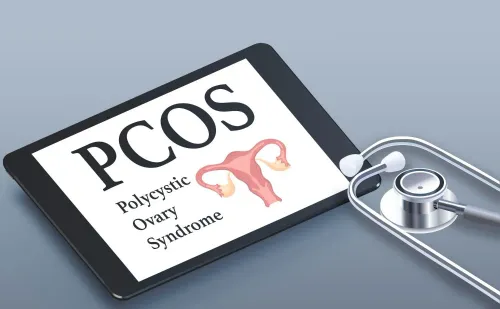
- Polycystic Ovary Syndrome (PCOS)
- Thyroid disorders
- Stress and anxiety
- Sudden weight gain or weight loss
- Excessive physical activity
- Uterine fibroids
- Endometriosis
- Certain medications
- Perimenopause
Because many of these conditions produce similar symptoms, a professional medical evaluation is often necessary.
Signs That Should Not Be Ignored
Many women assume that painful or irregular periods are simply something they must tolerate. However, certain symptoms may indicate a condition that requires medical attention.
Consider consulting a gynecologist if you experience:
- Extremely heavy bleeding requiring frequent pad or tampon changes
- Periods occurring more frequently than every 21 days or less often than every 35 days
- Bleeding after menopause
- Severe pelvic pain
- Menstrual cycles that suddenly become irregular
- Large blood clots during menstruation
- Missed periods without pregnancy
- Persistent fatigue due to heavy bleeding
Early evaluation may help identify treatable conditions before they become more complicated.
How Menstrual Problems Are Evaluated
Diagnosis begins with a detailed discussion about your menstrual history, symptoms, medical background, and lifestyle. Depending on individual circumstances, your gynecologist may recommend further investigations.
- These may include:
- Physical examination
- Pelvic examination
- Blood tests
- Hormone evaluation
- Ultrasound scan
- Pap smear when appropriate
- Additional imaging or diagnostic procedures if required
Not every patient requires extensive testing. The evaluation depends on age, symptoms, and medical history.
Treatment Depends on the Underlying Cause
There is no single solution for every menstrual problem. Treatment is guided by the diagnosis, severity of symptoms, future pregnancy plans, and overall health.
Management may involve:
- Lifestyle modifications
- Nutritional guidance
- Stress management
- Hormonal medications
- Non-hormonal medicines
- Treatment for thyroid or other medical conditions
- Management of fibroids or endometriosis when necessary
- Follow-up monitoring
The goal is not only to improve menstrual regularity but also to support long-term reproductive health.
Why Early Consultation Matters
Ignoring recurring menstrual issues may allow certain conditions to progress over time. Early medical assessment can help detect problems before they begin affecting fertility, daily activities, or overall well-being.
Women often postpone seeking care because they assume their symptoms are normal or because they feel uncomfortable discussing menstrual health. Open conversations with a qualified gynecologist can provide clarity, reassurance, and appropriate guidance.
Maintaining Healthy Menstrual Health
Although not every menstrual disorder can be prevented, healthy lifestyle habits may support hormonal balance and overall reproductive wellness.
- Helpful practices include:
- Eating a balanced diet
- Staying physically active
- Managing stress effectively
- Maintaining a healthy body weight
- Getting adequate sleep
- Keeping track of menstrual cycles
- Attending routine gynecological check-ups
Recording changes in cycle length, bleeding patterns, and associated symptoms can also assist healthcare providers in identifying potential concerns more accurately.
Women looking for guidance on menstrual problems in Vile Parle can benefit from timely evaluation by an experienced gynecologist. Dr. Karishma Shirgaonkar provides comprehensive assessment and personalized care based on each patient's individual needs. Through drkarishmagynecologist.com, patients can learn more about women's health services and understand when professional evaluation may be appropriate for menstrual concerns.
Keywords