
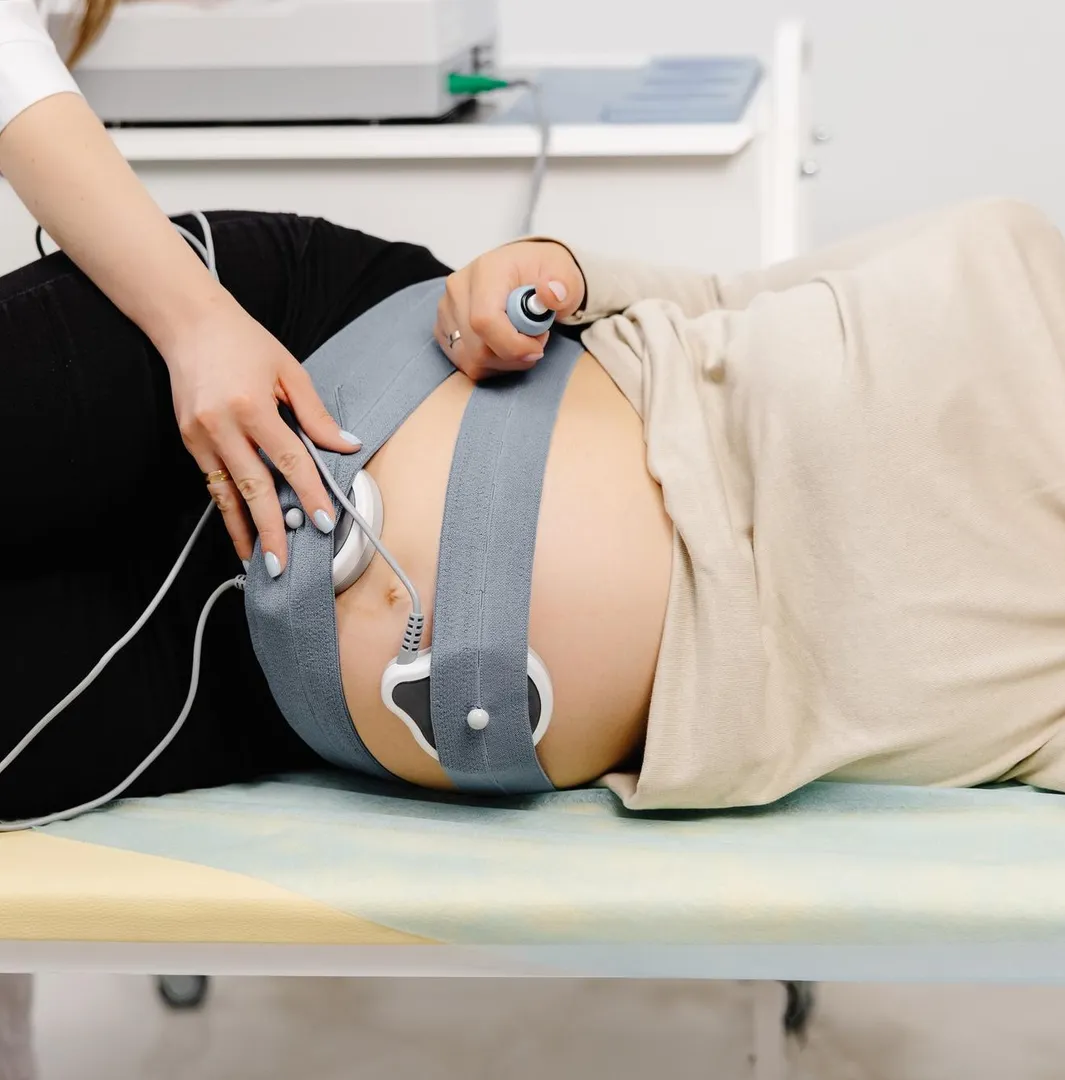
A Non Stress Test is a commonly used prenatal assessment that helps doctors evaluate a baby’s well-being during pregnancy. It records the fetal heart rate in relation to the baby’s movements without placing physical stress on the mother or baby.
For pregnant women in Mumbai, Maharashtra, the test may become part of antenatal monitoring when a pregnancy requires closer observation. Understanding why it is advised, what happens during the procedure, and what the results can indicate can make the experience less uncertain.
What Does a Non Stress Test Check
The test mainly observes whether the baby’s heart rate increases appropriately with movement. In many healthy babies, movement is accompanied by a temporary acceleration in heart rate.
A healthcare professional may recommend fetal monitoring when there are concerns such as:
- Reduced fetal movements
- Pregnancy extending beyond the expected due date
- Certain maternal medical conditions
- Concerns about fetal growth
- Multiple pregnancy in selected circumstances
- Previous pregnancy complications
- Other factors requiring closer antenatal monitoring
The decision depends on the individual pregnancy rather than a fixed rule for every patient.
What Happens During the Procedure
The mother usually rests in a comfortable position while sensors are placed over the abdomen. One sensor records the fetal heartbeat, while another may record uterine activity.
The monitoring commonly continues for around 20 to 40 minutes, although additional observation may sometimes be required. The baby may simply be asleep during part of the recording, which can affect how quickly sufficient information is obtained.
The procedure is non-invasive and does not involve injections or surgical instruments.
How Should You Prepare
Usually, complicated preparation is unnecessary. Patients should follow any specific instructions provided by their obstetrician.
Wearing comfortable clothing can make it easier to position the monitoring equipment. It can also be helpful to bring previous pregnancy reports if the test is being performed at a different facility.
What Do the Results Mean
Results are commonly described as reactive or non-reactive based on fetal heart-rate patterns and clinical criteria.
A reactive result is generally reassuring at the time of testing. A non-reactive result does not automatically mean that something is wrong. The baby may be sleeping, or further observation may simply be required.
Depending on the pregnancy and findings, the doctor may recommend extended monitoring, an ultrasound, a biophysical profile, or another assessment.
Are There Risks
Because external fetal monitoring does not use radiation and does not enter the body, the test itself is generally considered low risk. One practical concern is interpreting a non-reactive result without considering the wider clinical picture, which can create unnecessary anxiety.
Results therefore need to be reviewed together with gestational age, fetal movement, maternal health and other investigations.
What Happens After the Test
There is normally no recovery period. Most patients can resume their usual activities unless their obstetrician has advised restrictions for another pregnancy-related reason.
Dr. Karishma Shirgaonkar may use fetal assessment findings alongside antenatal examinations and other investigations when planning pregnancy care. The important point is that a single monitoring result should not be interpreted independently of the overall pregnancy.
Frequently Asked Questions
Is a Non Stress Test painful
The external monitoring itself is generally painless, although the belts holding the sensors may feel snug.
Does every pregnant woman need it
No. The need and timing depend on maternal and fetal factors.
Can I eat before the test
There is usually no universal fasting requirement, but patients should follow instructions from their maternity team.
Does a non-reactive result mean the baby is in danger
Not necessarily. It indicates that further assessment or monitoring may be needed to understand the finding.
Recognising changes in fetal movement and attending recommended antenatal appointments remain important throughout pregnancy. Anyone noticing a significant reduction in usual fetal movements should seek prompt guidance from their maternity care team rather than waiting for a routine appointment.
Keywords