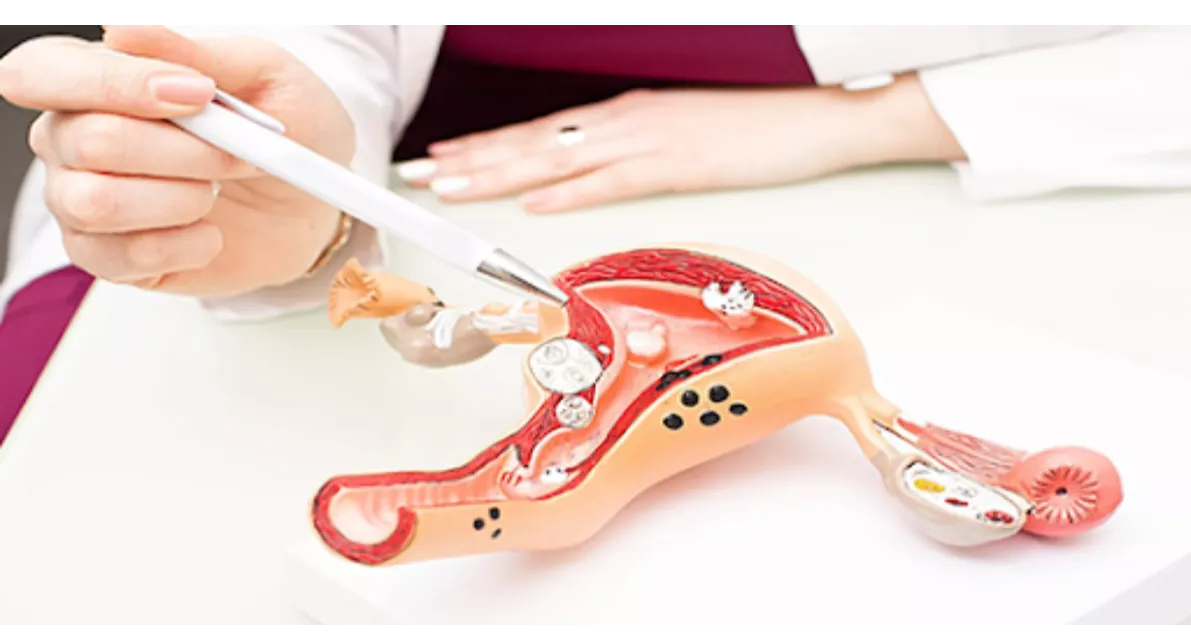
An HSG test, also known as hysterosalpingography, is an imaging investigation used to examine the uterine cavity and determine whether the fallopian tubes appear open. It is frequently considered during infertility evaluation because tubal blockage can affect the meeting of the egg and sperm.
For couples undergoing fertility assessment in Mumbai, Maharashtra, an HSG may be one part of a broader investigation rather than a standalone answer to why conception has not occurred.
Why Is an HSG Test Performed
The investigation can help doctors assess the shape of the uterine cavity and the passage of contrast material through the fallopian tubes.
It may be considered when evaluating:
- Difficulty conceiving
- Suspected fallopian tube blockage
- Certain abnormalities of the uterine cavity
- Previous pelvic infection or surgery
- Selected reproductive health concerns
An HSG does not assess every possible cause of infertility. Ovulation, semen parameters, age, ovarian reserve and other reproductive factors may require separate evaluation.
When Is the Test Usually Scheduled
Timing is important. HSG is generally planned after menstrual bleeding has finished and before ovulation is expected, although the exact schedule should be determined by the treating doctor.
Patients should inform their healthcare provider if there is any possibility of pregnancy, an active pelvic infection, unusual vaginal symptoms, allergies to contrast material, or other relevant medical concerns.
What Happens During the Procedure
During the test, the patient lies on an examination table. A speculum is used to visualise the cervix, and a thin instrument allows contrast material to be introduced into the uterus.
X-ray imaging then follows the movement of the contrast through the uterine cavity and fallopian tubes.
Some women experience temporary cramping similar to menstrual cramps. The duration varies, but the actual procedure is usually relatively brief.
Recovery After HSG
Mild cramping and light spotting can occur afterward. Some contrast fluid may also leak from the vagina.
Many women can return to routine activities relatively soon, depending on how they feel and the advice provided by their doctor.
Medical advice should be sought if significant pain, heavy bleeding, fever, foul-smelling discharge, fainting, or worsening symptoms develop after the procedure.
Benefits and Possible Risks
The main benefit is obtaining useful information about tubal patency and the uterine cavity during fertility evaluation.
Potential risks can include infection, bleeding, an allergic reaction to contrast material and discomfort. Serious complications are uncommon, but individual risk depends on medical history.
Dr. Karishma Shirgaonkar can assess whether HSG findings need to be combined with ultrasound, hormonal assessment, semen analysis, ovulation evaluation, or other fertility investigations before treatment decisions are made.
Frequently Asked Questions
Is an HSG test painful
Experiences vary. Some women report mild cramping, while others experience more noticeable discomfort.
Can HSG confirm every cause of infertility
No. It provides specific information about the uterine cavity and fallopian tubes and does not replace a complete fertility assessment.
Can I undergo HSG while pregnant
The investigation is generally avoided when pregnancy is suspected. Appropriate timing should always be confirmed beforehand.
How quickly will I recover
Many patients have only short-lived discomfort, although individual experiences differ.
For anyone considering an HSG in Mumbai, understanding both its purpose and its limitations is important. The most useful fertility evaluation is one in which test results are interpreted together rather than treating a single investigation as the complete explanation.
Keywords