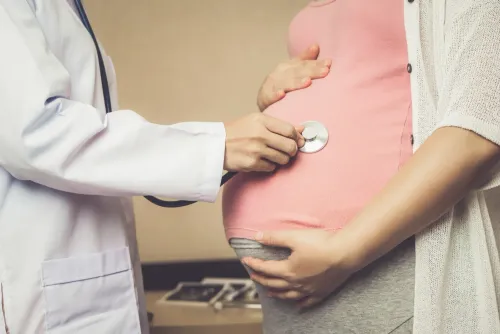
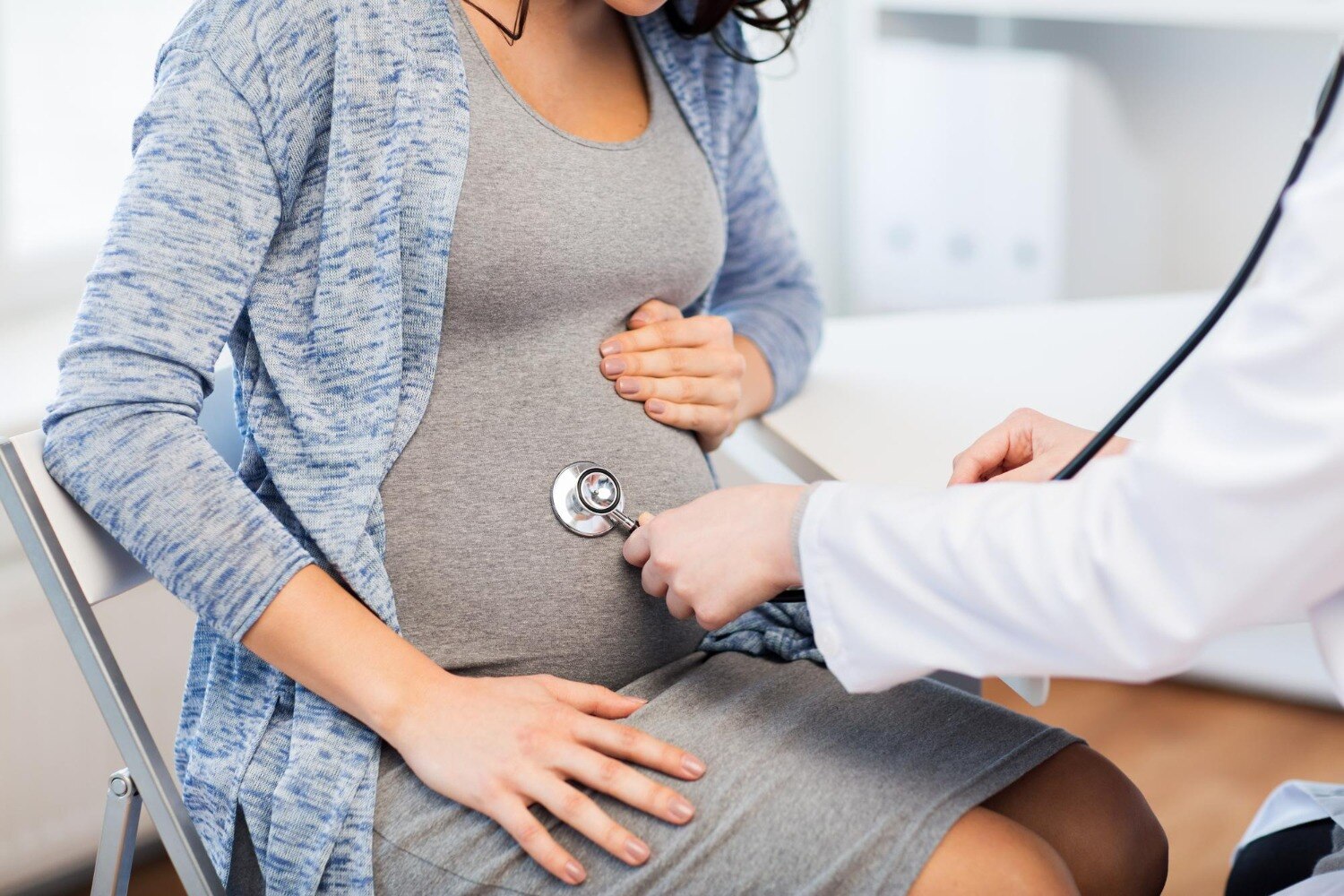
A pregnancy is called high risk when the pregnant person, fetus, or both face a higher-than-usual chance of complications, even though a poor outcome is not expected. You will learn which medical histories, pregnancy findings, symptoms, and practical concerns warrant specialist review and how they affect monitoring and birth planning.
Key takeaways
- High-risk status increases monitoring needs; it does not predict a poor outcome.
- Seek urgent assessment for heavy bleeding, severe pain, reduced fetal movement, or severe headache.
- Bring medical records, medication lists, scan reports, and prior pregnancy details to appointments.
- Birth plans may change when fetal growth, maternal health, or delivery risks require closer supervision.
What makes a pregnancy high risk?
A high-risk pregnancy has a higher-than-usual chance of complications for you, the fetus, or both; it does not mean a poor outcome is expected. The high-risk pregnancy definition includes risks present before conception, conditions that develop during pregnancy, and fetal findings identified on screening.
Ask a high risk pregnancy doctor in Vile Parle for closer assessment when any of these apply:
| Source of risk | Examples | Why closer assessment matters |
|---|---|---|
| Maternal health conditions | Diabetes, chronic hypertension, kidney disease, heart disease, thyroid disease, epilepsy, autoimmune disease, blood-clotting disorders | Medicines, blood pressure, glucose, kidney function, or clotting risk may need coordinated management |
| Pregnancy history | Previous pre-eclampsia, severe hypertension, fetal growth restriction, stillbirth, preterm birth, placental abruption, or recurrent miscarriage | The previous records help plan prevention and surveillance early |
| Current pregnancy | Age under 17 or over 35, twins or higher-order multiples, gestational diabetes, bleeding, placenta previa, Rh incompatibility, or blood pressure of 140/90 mm Hg or higher on two readings at least four hours apart | Complications may require additional testing, treatment, or a different delivery facility |
| Fetal findings | Growth restriction, structural abnormalities, abnormal screening results, or suspected genetic conditions | Targeted scans, genetic counselling, fetal treatment, or neonatal support may be needed |
Closer care is also important when severe-range blood pressure reaches 160/110 mm Hg, or when the pregnancy could require urgent delivery, blood products, cardiac support, or neonatal intensive care. These risks need a documented hospital and transfer plan.
How is high-risk monitoring different from routine care?
Routine antenatal care follows a standard schedule; high-risk pregnancy monitoring adds visits, targeted tests, and specialist input based on the identified risk. The aim is to detect problems early, not to predict a poor outcome.
Your plan may include:
- More frequent appointments to check blood pressure, weight, urine protein, blood glucose, anemia, thyroid levels, or kidney function.
- A targeted ultrasound for anatomy, placenta position, cervical length, or twin complications. A fetal growth scan tracks the baby’s size over time, while a Doppler study in pregnancy assesses blood flow through the umbilical artery, placenta, or fetal vessels.
- Later-pregnancy surveillance with a non-stress test pregnancy assessment, which records fetal heart-rate changes, or a biophysical profile combining ultrasound with heart-rate monitoring.
- A maternal-fetal-medicine consultation for diabetes, chronic hypertension, kidney disease, heart disease, autoimmune illness, epilepsy, clotting disorders, multiple pregnancy, or concerning ultrasound findings.
- Referrals to an endocrinologist, cardiologist, nephrologist, genetic counsellor, or neonatologist when that specialist’s expertise affects treatment or delivery planning.
An abnormal screening result or small fetal measurement does not confirm a diagnosis. Your clinician may discuss chorionic-villus sampling or amniocentesis, which provide diagnostic information but involve invasive-procedure risks and require counselling before you decide. The schedule changes if blood pressure rises, glucose becomes difficult to control, growth slows, or Doppler results become abnormal.
Which pregnancy symptoms need urgent assessment?
Do not wait for the next scheduled appointment if you develop urgent pregnancy symptoms or feel suddenly unwell. Contact your maternity team immediately; call emergency services for collapse, severe breathing difficulty, chest pain, heavy bleeding, or a seizure.
Pre-eclampsia warning signs need prompt assessment after 20 weeks and even after delivery. Pre-eclampsia can occur without obvious symptoms, so do not rely on how you feel or wait for a routine blood-pressure check.
| Warning sign | What to do now | Why it matters |
|---|---|---|
| Severe headache that does not settle, blurred vision, flashing lights, upper-abdominal pain, sudden swelling of the face or hands, shortness of breath, or very high blood pressure | Seek urgent medical assessment | These can indicate severe pre-eclampsia |
| Reduced fetal movement after you have established a usual pattern | Contact your maternity unit immediately; do not wait until morning | The baby may need prompt heart-rate monitoring and ultrasound |
| Bleeding in pregnancy, especially heavy bleeding, clots, pain, dizziness, or fainting | Go to an emergency facility | Bleeding can signal miscarriage, placenta previa, placental abruption, or another complication |
| A gush or continuous trickle of fluid, regular painful contractions, or pelvic pressure before 37 weeks | Contact the maternity team urgently | These may indicate ruptured membranes or preterm labour |
| Chest pain, fainting, blue lips, severe breathlessness, or sustained palpitations | Seek emergency care | Pregnancy can worsen an underlying heart problem |
Take your antenatal records, medication list, and blood-pressure readings if this does not delay care. Do not stop prescribed medicines without medical advice.
What should you review before or during high-risk pregnancy care?
Bring a complete medication list, not just the medicines you think are pregnancy-safe. Include prescription drugs, over-the-counter painkillers, vitamins, herbal products, inhalers, insulin, and the dose and timing of each. Medication review in pregnancy can identify treatments that need changing; stopping an anti-seizure, blood-pressure, or psychiatric medicine abruptly can also be dangerous.
| Item | Bring or record | Why it matters |
|---|---|---|
| Medicines | Name, strength, dose, allergies, and recent changes | Some treatments need adjustment before or early in pregnancy |
| Blood pressure | Home readings with dates, times, and symptoms | Blood pressure monitoring pregnancy helps identify worsening hypertension; 140/90 mm Hg or higher twice, four hours apart, needs medical review |
| Glucose | Fasting and post-meal readings, meter or sensor reports | Gestational diabetes management may require monitoring, dietary changes, or insulin |
| Lifestyle | Smoking, alcohol, diet, exercise, work strain, travel, and sleep | These choices affect the care plan and practical advice |
| Vaccines | Immunisation record, including influenza, COVID-19, and Tdap dates | Your specialist can identify vaccines due during pregnancy; live vaccines such as MMR and varicella are planned before pregnancy |
| Medical records | Previous pregnancy notes, delivery and operation reports, ultrasound images, blood tests, discharge summaries, and specialist letters | These are essential records for high-risk pregnancy consultation, especially after pre-eclampsia, preterm birth, growth restriction, stillbirth, or miscarriage |
Write down your questions and the dates of previous complications. Mention fainting, chest pain, severe breathlessness, sustained palpitations, or severe headache at the appointment rather than assuming they are normal pregnancy symptoms.
How does high-risk care change the birth plan?
The birth setting is chosen for the complication that would cause the greatest danger, not for convenience or proximity to Vile Parle. If you could need urgent surgery or blood products, plan delivery in a hospital with blood bank and operating theatre.
If the baby could need breathing support, surgery, or specialist treatment after birth, confirm that a neonatal intensive care unit is available.
The clinical team follows the same logic. A maternal-fetal medicine specialist may coordinate care with an anaesthetist and another specialist when your condition affects delivery safety. The baby’s plan may also require a neonatologist, particularly when preterm birth, fetal growth restriction, or a multiple pregnancy is likely.
Timing depends on the balance between staying pregnant and reducing danger. Stable diabetes or mild hypertension may allow planned delivery near term, while severe blood pressure, worsening kidney disease, abnormal Doppler results, placental bleeding, or fetal distress can require earlier delivery.
Your team should document where you will go and how transfer will occur before labour starts.
Mode of delivery is not decided by the label “high risk.” Vaginal birth, induction, or caesarean delivery may each be appropriate; placenta previa, persistent fetal compromise, or an obstructing presentation can make caesarean birth safer, while twins alone do not automatically require it.
During high-risk pregnancy birth planning, Dr Karishma Shirgaonkar Shah can help you clarify the trigger for delivery, the professionals present, and the backup plan if your condition or the baby’s assessment changes.
Related service
Pregnancy Care and Delivery involve a multi-faceted approach to managing a woman’s health and ensuring the well-being of both the mother and the baby throughout the gestational... View service → |
Frequently asked questions
What makes a pregnancy high risk?
Risks can exist before conception, develop during pregnancy, or arise from fetal findings on screening. Examples include diabetes, high blood pressure, previous pregnancy complications, multiple pregnancy, and abnormal fetal growth.
How is high-risk monitoring different from routine care?
It may involve more frequent appointments, blood pressure and urine checks, blood tests, targeted ultrasounds, fetal growth scans, Doppler studies, and fetal heart-rate monitoring based on the specific risk.
Which pregnancy symptoms need urgent assessment?
Seek urgent medical assessment for heavy vaginal bleeding, severe or persistent abdominal pain, leaking fluid, regular contractions before term, reduced fetal movement, severe headache, vision changes, facial swelling, breathlessness, chest pain, or seizures.
What should you review before or during high-risk pregnancy care?
Review your medical and surgical history, previous pregnancies, medicines and allergies, blood group, vaccination record, test results, ultrasound reports, and any conditions such as diabetes, hypertension, thyroid disease, or clotting disorders.
How does high-risk care change the birth plan?
Your team may adjust the timing and location of birth, recommend continuous fetal monitoring, involve additional specialists, plan induction or caesarean birth, and prepare neonatal support when maternal or fetal risks require it.