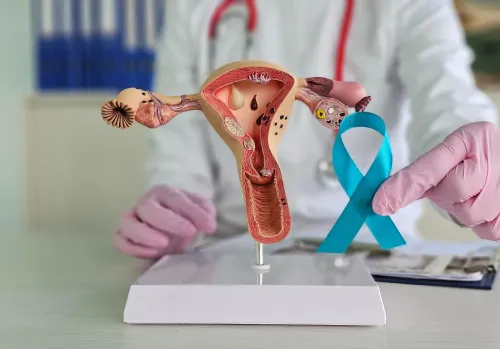

A Pap smear Test is a cervical screening procedure used to identify abnormal cervical cell changes that may require further assessment. Screening is valuable because cervical abnormalities can sometimes develop without obvious symptoms.
Women in Mumbai and elsewhere in Maharashtra may encounter different recommendations about when screening should begin and how often it should be repeated. The appropriate schedule depends on age, previous results, risk factors and current screening guidelines.
What Happens During a Pap Smear
The procedure is usually performed during a gynecological examination. A speculum is gently inserted so the cervix can be seen. A small brush or similar sampling device is then used to collect cervical cells.
The sample is sent for laboratory examination.
The collection itself usually takes only a few minutes. Some women experience mild pressure or brief discomfort, but significant pain should be communicated to the healthcare professional.
What Can Cervical Screening Detect
A Pap test looks for abnormal cellular changes. Depending on the screening approach, HPV testing may also be recommended because persistent infection with certain high-risk types of human papillomavirus is associated with cervical cancer.
An abnormal screening result does not automatically mean cancer is present. Depending on the finding, the next step might involve repeat testing, HPV assessment, colposcopy, biopsy, or another investigation.
Preparing for the Test
Patients should follow the clinic’s instructions because preparation can vary.
When scheduling the appointment, tell the doctor about:
- Current menstrual bleeding
- Pregnancy
- Previous abnormal cervical screening
- Previous cervical procedures
- Unusual bleeding
- Pelvic symptoms
- Relevant medicines or medical conditions
A screening appointment should not be used as a reason to delay assessment of concerning symptoms.
Benefits and Limitations
Regular cervical screening can identify precancerous cellular changes before they progress to invasive disease, allowing appropriate follow-up and treatment when required.
However, no screening test is perfect. A normal result cannot guarantee that cervical disease will never occur, and screening does not replace evaluation of symptoms.
Dr. Karishma Shirgaonkar can advise women about cervical screening according to their age, history and clinical circumstances rather than applying the same schedule to every patient.
Care After the Procedure
There is generally no special recovery period. Mild spotting may occur in some women after sampling and often settles quickly.
Persistent bleeding, significant pain, fever, or other unexpected symptoms should be discussed with a healthcare professional.
Frequently Asked Questions
Is a Pap smear only necessary when symptoms occur
No. Cervical screening is primarily preventive and may be recommended even when a woman feels completely well.
Does an abnormal result mean cervical cancer
No. Many abnormal results represent cell changes requiring observation or further investigation rather than cancer.
Is HPV testing the same as a Pap test
They examine different things. HPV testing looks for relevant viral infection, while cervical cytology examines cells for abnormalities. Screening programmes may use one or both approaches depending on applicable guidance.
How often should screening be performed
There is no appropriate universal interval for every woman. Recommendations depend on age, screening method, previous findings and individual circumstances.
Preventive gynecological care is most effective when screening is performed at appropriate intervals and abnormal findings receive timely follow-up.
Keywords