
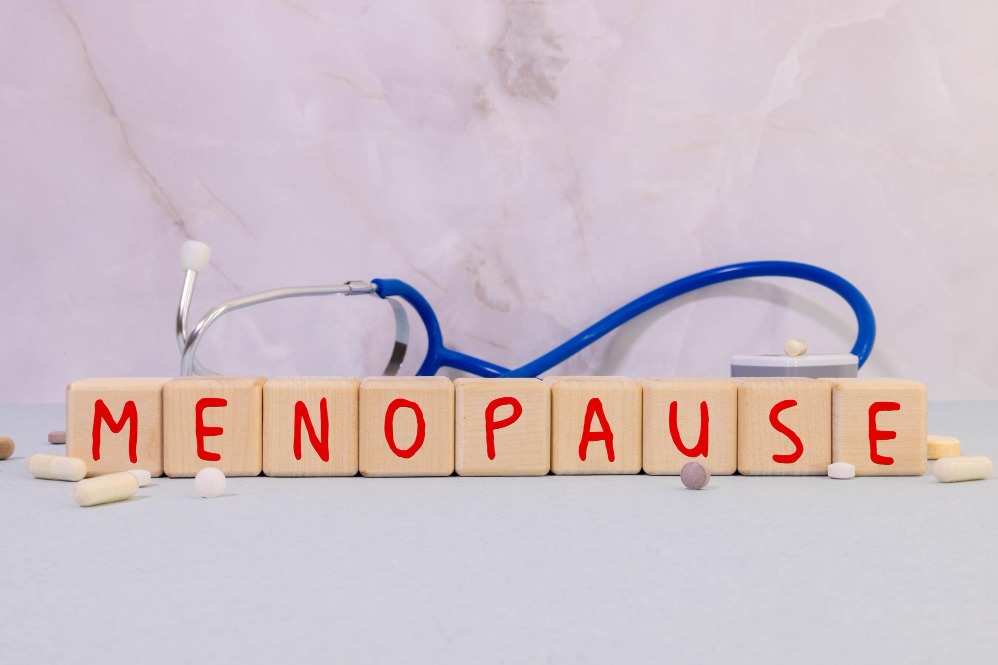
Menopause is a natural phase in a woman's life that marks the end of her menstrual cycles. While it is a normal biological transition, the physical and emotional changes associated with menopause can vary significantly from one woman to another. Some women experience only mild symptoms, while others may notice changes that affect their daily routine, sleep, mood, and overall quality of life.
Women in Vile Parle and across Mumbai are increasingly seeking reliable information about menopause to better understand what to expect and how to manage this stage of life. Rather than viewing menopause as a medical condition, it is helpful to consider it as a natural transition that may benefit from appropriate healthcare support and healthy lifestyle choices.
What Is Menopause?
Menopause is officially diagnosed when a woman has gone 12 consecutive months without a menstrual period, provided there is no other medical reason for the absence of menstruation. It most commonly occurs between the ages of 45 and 55, although the timing varies for each individual.
The years leading up to menopause are known as perimenopause. During this transition, hormone levels fluctuate, and women may begin experiencing symptoms even before their periods stop completely.
After menopause, women enter the postmenopausal stage, during which hormonal changes continue to influence overall health.
What Causes Menopause?
Menopause occurs because the ovaries gradually produce lower levels of estrogen and progesterone. These hormonal changes affect not only the reproductive system but also several other parts of the body, including the bones, heart, skin, urinary tract, and brain.
Although menopause is a natural part of aging, some women may experience early menopause due to:
- Certain medical treatments
- Surgical removal of the ovaries
- Genetic factors
- Certain autoimmune conditions
A healthcare provider can determine whether menopause is occurring naturally or whether additional evaluation is required.
Common Symptoms of Menopause
Every woman experiences menopause differently. Some symptoms are temporary, while others may continue for several years.
Common symptoms include:
- Irregular menstrual cycles
- Hot flashes
- Night sweats
- Sleep disturbances
- Mood changes
- Vaginal dryness
- Reduced libido
- Difficulty concentrating
- Fatigue
- Joint or muscle discomfort
The severity and duration of symptoms vary from person to person.
Health Changes After Menopause
The hormonal changes associated with menopause can influence long-term health. Understanding these changes helps women take preventive measures and maintain their well-being.
Bone Health
Reduced estrogen levels may contribute to a gradual loss of bone density, increasing the risk of osteoporosis and fractures. Adequate calcium intake, vitamin D, and regular weight-bearing exercise support bone health.
Heart Health
After menopause, the risk of cardiovascular disease gradually increases. Maintaining healthy blood pressure, cholesterol levels, and body weight becomes increasingly important.
Urinary and Vaginal Health
Some women experience urinary frequency, recurrent urinary infections, or vaginal dryness due to hormonal changes. These symptoms can often be managed with appropriate medical guidance.
Weight Changes
Metabolism may slow with age, making weight management more challenging. Healthy eating habits and regular physical activity remain essential during this stage.
Lifestyle Tips for a Healthy Menopause
Although menopause cannot be prevented, healthy daily habits can help reduce the impact of many symptoms.
Some helpful recommendations include:
- Eat a balanced diet rich in fruits, vegetables, whole grains, and lean protein.
- Include calcium-rich foods and vitamin D in your diet.
- Exercise regularly with both aerobic and strength-training activities.
- Maintain a healthy body weight.
- Get sufficient sleep each night.
- Stay hydrated.
- Avoid smoking and limit alcohol consumption.
- Practice stress management techniques such as yoga or meditation.
These habits also contribute to better long-term health beyond menopause.
Can Menopause Symptoms Be Treated?
Yes. Women experiencing troublesome symptoms have several management options available. Treatment depends on the severity of symptoms, overall health, and individual preferences.
Your gynecologist may recommend:
- Lifestyle modifications
- Non-hormonal therapies
- Hormone Replacement Therapy (HRT) for suitable candidates
- Vaginal moisturizers or local treatments for dryness
- Nutritional supplements when indicated
- Regular health monitoring
Not every woman requires medication, and treatment plans are tailored according to individual needs after a thorough medical evaluation.
When Should You Consult a Gynecologist?
Although menopause is a natural process, certain situations require medical assessment.
You should seek medical advice if you experience:
- Heavy or prolonged bleeding during perimenopause
- Bleeding after menopause
- Severe hot flashes affecting daily life
- Persistent sleep disturbances
- Significant mood changes
- Pain during intercourse
- Recurrent urinary infections
- Concerns about bone health or osteoporosis
Early consultation helps identify whether symptoms are related to menopause or another medical condition requiring treatment.
Regular Health Check-Ups Remain Important
Many women assume that gynecological visits are no longer necessary after menopause. In reality, preventive healthcare continues to play an important role.
Routine follow-up appointments may include:
- Pelvic examinations
- Cervical cancer screening when appropriate
- Breast health evaluation
- Bone health assessment
- Blood pressure monitoring
- Diabetes and cholesterol screening
- Guidance on healthy aging
Regular check-ups support early detection of health concerns and help women maintain their quality of life.
Women looking for guidance on menopause management in Vile Parle can consult Dr. Karishma Shirgaonkar for individualized care based on their symptoms, medical history, and overall health. Through a comprehensive approach that combines preventive healthcare, lifestyle guidance, and evidence-based treatment options, women can navigate menopause with greater confidence and well-being. Additional information about women's health services is available through drkarishmagynecologist.com.