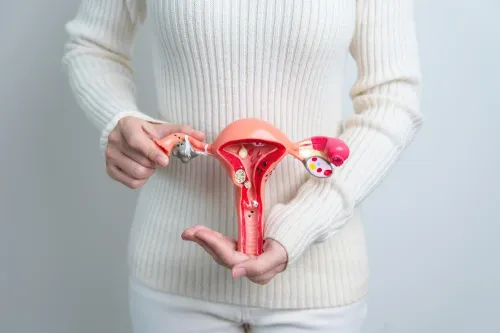
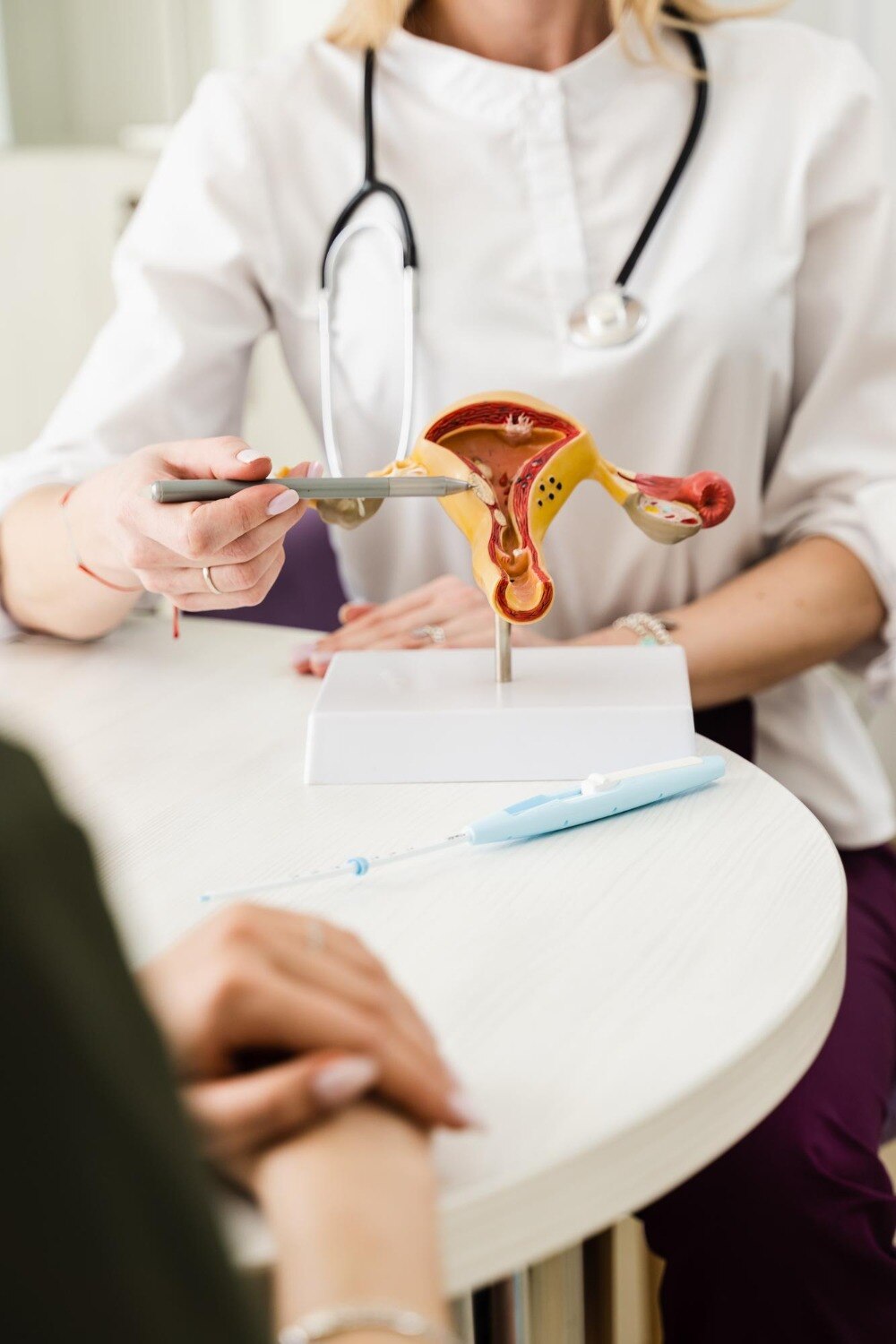
A women’s health appointment can cover far more than an internal examination: menstrual symptoms, contraception, infection concerns, fertility, pregnancy preparation, and long-term gynecological health all influence which questions and tests are appropriate. By the end, you will know what to prepare, which concerns need routine or urgent attention, and how to choose the right form of care in Vile Parle.
Key takeaways
- Bring your menstrual dates, medicines, prior reports, and questions to the appointment.
- An internal examination is not automatic; symptoms and medical history guide the assessment.
- Choose contraception, preconception, or fertility evaluation based on your immediate goal.
- Seek age-appropriate care through adolescence, pregnancy, postpartum recovery, and menopause.
What preventive and reproductive care can cover in one visit
One visit can address menstrual concerns, contraception, pregnancy planning, fertility questions, infection symptoms, screening, and longer-term gynecological health. A reproductive health consultation is not automatically an internal examination or a full panel of tests: preventive gynecological care depends on your age, symptoms, pregnancy status, sexual history, previous results, medicines, and personal risks.
| Concern | What the visit may cover | What changes the plan |
|---|---|---|
| Menstrual concerns | Cycle history, pain, heavy bleeding, anemia testing, and treatment options | Bleeding severity, pregnancy possibility, anemia symptoms, and suspected PCOS |
| Contraception | Effectiveness, side effects, reversibility, medical eligibility, and condom use for STI protection | Migraine with aura, blood pressure, smoking, breastfeeding, and future pregnancy plans |
| Screening and infection | Blood pressure, cervical screening, HPV vaccination, STI testing, and breast assessment | Age, vaccination history, prior abnormal results, immunosuppression, and symptoms |
| Pregnancy planning | Medicine and supplement review, vaccinations, diabetes and thyroid checks, weight, alcohol and smoking exposure, and family-history risks | Existing disease, genetic risks, and whether a medicine needs substitution rather than sudden stopping |
| Fertility | Ovulation, partner factors, and referral for testing; letrozole is first-line for anovulatory PCOS without other infertility factors | Duration of trying, age, cycles, and known reproductive conditions |
| Menopause and surgery | Symptom treatment, bone and cardiovascular risks, or discussion of alternatives and surgical risks | Bleeding pattern, fertility goals, ovarian reserve, and the proposed procedure |
Cervical screening is for people without symptoms; bleeding after sex, unexplained bleeding, or a visible lesion needs diagnostic assessment even after a normal result. Screening intervals depend on the test and prior history, so repeating tests every few months can cause false positives and unnecessary procedures.
How to prepare for your first appointment and what the examination involves
Bring a medical history checklist to your first gynecologist visit rather than relying on memory. Note your last menstrual period, usual cycle length, symptoms, previous pregnancies and outcomes, operations, medicines and supplements, allergies, contraception, sexual-health concerns, vaccination records, family cancer history, and earlier reports. Include pregnancy dates and prior abnormal screening results.
- Carry prescriptions, medication strips, vaccination records, ultrasound or laboratory reports, and details of previous cervical tests. Add your questions and the date symptoms began.
- Expect blood pressure and a focused discussion before any examination. A gynecological examination is useful for symptoms such as pain, unusual bleeding, discharge, itching, a lump, or pregnancy-related concerns; an asymptomatic person does not automatically need an internal examination, imaging, or blood tests.
- The clinician should explain each step and obtain your consent. You can pause or refuse an examination, request a chaperone, and bring a companion if the clinic permits; the companion does not replace a trained chaperone.
- An examination may include abdominal, external genital, speculum, or bimanual assessment. Ask what each part checks, and tell the clinician if you feel pain.
- Cervical screening, STI tests, pregnancy testing, anemia, thyroid, or diabetes tests depend on symptoms, age, pregnancy status, history, and risk—not on a routine bundle.
Teleconsultation works well for history-taking, report review, contraception questions, and follow-up. It cannot replace an examination for severe pain, heavy bleeding, a new lump, or suspected infection; use confidential women’s healthcare with a private connection and ask how records and prescriptions are protected.
How to compare contraception, preconception care, and fertility evaluation
Choose contraception by medical eligibility, effectiveness, side effects, reversibility, STI protection, and your pregnancy timeline. A contraception comparison helps separate these questions: a method that prevents pregnancy well may not protect against infection or suit migraine with aura, uncontrolled hypertension, smoking after age 35, or a history of blood clots.
Condoms remain important with another method because most contraception does not prevent STIs. Emergency contraception includes a copper intrauterine device or an emergency pill; ask promptly about the option and timing that fit your health and the unprotected intercourse.
| Method | Main advantage | Key limitation or caution |
|---|---|---|
| Condoms | STI protection; immediately reversible | Less effective with incorrect or inconsistent use |
| Pill, patch, or ring | Easy to stop; regulates bleeding | Oestrogen-containing options need review with migraine with aura, clot risk, smoking after 35, or hypertension |
| Implant or hormonal IUD | Highly effective; reversible | Irregular bleeding can occur; does not protect against STIs |
| Copper IUD | Hormone-free; long-acting | Can increase cramps or menstrual bleeding |
Preconception counselling reviews prescription and over-the-counter medicines, vaccines, diabetes, thyroid disease, smoking, alcohol, weight, and genetic or family-history risks. Do not stop a medicine abruptly; request a documented risk-benefit review and a substitute when appropriate.
Heavy bleeding, fatigue, or breathlessness warrants anaemia testing and assessment for fibroids, adenomyosis, bleeding disorders, pregnancy-related causes, or other disease before choosing treatment.
Begin a fertility evaluation after 12 months of regular unprotected intercourse if the woman is under 35, or after six months at 35 or older. Start sooner with absent or irregular periods, suspected endometriosis or tubal disease, previous pelvic surgery, or male-factor risks. Test both partners rather than investigating the woman alone.
How care changes during adolescence, pregnancy, postpartum years, and menopause
Adolescent gynecological care focuses on painful or irregular periods, heavy bleeding, acne, discharge, sexual health, HPV vaccination, and confidential questions about contraception. Menstrual symptoms that cause missed school or daily activities deserve assessment rather than dismissal as “normal.”
| Stage | Main focus | What follow-up includes |
|---|---|---|
| Adolescence | Periods, sexual health, vaccination, STI risk | Examination or tests only when symptoms, history, or risk justify them |
| Pregnancy | Maternal and fetal health | Blood pressure, urine protein, anaemia and infection screening, diabetes screening at the recommended gestational stage, fetal growth, wellbeing, and pre-eclampsia review |
| Postpartum years | Recovery and future pregnancy prevention | Bleeding, blood pressure, wound or caesarean recovery, mood, breastfeeding concerns, pelvic-floor symptoms, and postpartum contraception |
| Menopause | Symptoms and long-term health | Bleeding review, hot flushes, vaginal or urinary symptoms, bone and cardiovascular risk, and treatment options |
Pregnancy care milestones are more than ultrasound scans. Keep appointments even when you feel well, because high blood pressure, proteinuria, anaemia, diabetes, and fetal-growth problems can develop without obvious symptoms. Postpartum follow-up should address recovery and emotional health, not only the baby’s check-ups.
Seek urgent assessment rather than waiting for a routine appointment for:
- Heavy vaginal bleeding, leaking fluid, severe or persistent abdominal pain, or possible ectopic-pregnancy symptoms
- Severe headache, visual disturbance, sudden swelling, fever, or breathlessness
- Reduced fetal movements after movements are established
- After birth, heavy bleeding, fever, severe headache, chest pain, breathlessness, or rapidly worsening pain or swelling
How to choose the right care pathway in Vile Parle
Choose the first clinician by the problem, not by the test you saw advertised. A women’s health doctor in Vile Parle can coordinate menstrual, contraception, pregnancy-planning, infection, screening, and menopause concerns; a primary-care clinician fits general illness, blood-pressure review, diabetes, or anaemia before a gynecology referral.
| Pathway | Start here | Verify |
|---|---|---|
| Women’s health doctor | New or ongoing gynecological concern | Appointment length, examination consent, tests included, consultation fee, and follow-up cost |
| Primary-care clinician | General symptoms or several health conditions | Whether you need a gynecologist appointment and which records to carry |
| Fertility specialist | 12 months trying if under 35, or 6 months if 35 or older; sooner with irregular cycles or known disease | A fertility specialist referral, semen analysis, ovulation review, uterus and tube assessment, and the separate cost of AMH or antral-follicle count |
| Adolescent service | Period problems, pain, discharge, puberty concerns, or confidential advice | Privacy rules, parent or guardian requirements, and clinician experience with adolescents |
| Hospital | Delivery, complex pregnancy, planned admission, or surgery | Surgeon, anaesthetist, blood access, admission length, total estimate, and emergency backup |
| Emergency department | Fainting, severe one-sided pain, fever with pelvic pain, or soaking a pad hourly | Go now; do not wait for a routine booking |
Before a gynecological surgery consultation, ask about medication or observation, fertility and ovarian-reserve effects, bleeding, infection, adhesions, organ injury, recurrence, and conversion from keyhole to open surgery. For abortion care, verify a qualified provider, gestational-age assessment, method, total fee, follow-up, and emergency contact.
Dr Karishma Shirgaonkar Shah can help coordinate these decisions when one visit raises several care needs.
Related services
Gynecological cancer screening and vaccinations services Gynecological cancer screening and vaccinations services Gynecological cancers can be life-threatening if not detected and treated early. View service → |
Family Planing Family planning is a fundamental aspect of reproductive health that involves the conscious decision-making process regarding the timing and spacing... View service → |
Frequently asked questions
What can preventive and reproductive care cover in one visit?
A visit can address menstrual concerns, contraception, pregnancy planning, fertility questions, infection symptoms, screening, and longer-term gynecological health. Your symptoms, age, pregnancy status, sexual history, previous results, medicines, and personal risks determine which issues and tests need attention.
How should I prepare for my first appointment with a women’s health doctor?
Bring your menstrual dates, pregnancy and birth history, current medicines, allergies, previous reports, vaccination details, and a list of symptoms or questions. Tell the doctor when symptoms began and whether you are trying to avoid pregnancy, plan a pregnancy, or assess fertility.
Is an internal examination required at a gynecological appointment?
No. A reproductive health consultation is not automatically an internal examination or a full panel of tests. The doctor recommends an examination when your symptoms, pregnancy status, screening needs, or medical history make it useful.
How do contraception, preconception care, and fertility evaluation differ?
Contraception helps you prevent pregnancy, preconception care prepares you for a safer pregnancy, and fertility evaluation investigates difficulty conceiving. Start with the pathway that matches your current goal rather than requesting every test at once.
How does women’s healthcare change across different life stages?
Care focuses on age-specific needs: menstrual and sexual health during adolescence, pregnancy monitoring and preparation, recovery and contraception after birth, and symptom management, screening, bone health, and sexual wellbeing during menopause.
Related services
Pregnancy Care and Delivery involve a multi-faceted approach to managing a woman’s health and ensuring the well-being of both the mother and the baby throughout the gestational... View service → |
Adolescent health and disorder management Adolescent health and disorder management Adolescent health is a critical aspect of gynecological care, encompassing a broad spectrum of physical, emotional, and developmental concerns. View service → |
Pap smear and cancer screening Pap smear and cancer screening Pap smears and cancer screening are critical components of gynecological care aimed at the early detection and prevention of cervical cancer and... View service → |
Infertility Infertility Infertility is a complex and multifaceted issue that affects individuals and couples who are unable to conceive despite regular, unprotected... |