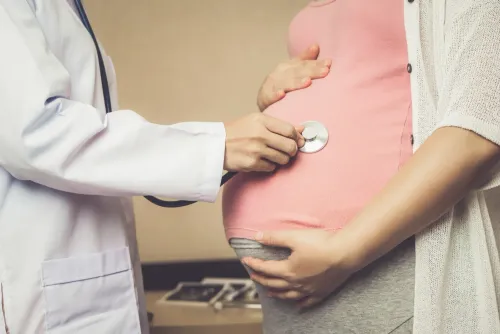

Book a routine gynecology appointment when a period pattern changes, symptoms persist, or a late period raises questions about pregnancy or hormones. Seek emergency care instead for heavy bleeding, fainting, severe one-sided pain, or pregnancy-related warning signs. By the end, you will know which symptoms can wait for an appointment, what to record beforehand, and when to seek urgent assessment.
Key takeaways
- Book care for cycles under 21 or over 35 days, bleeding over seven days, or repeated skipped periods.
- Take a pregnancy test after a missed period and seek care for repeated absent cycles.
- Bring cycle dates, bleeding details, medicines, test results, and your main questions.
- During pregnancy, seek urgent care for heavy bleeding, severe pain, fluid loss, or reduced fetal movement.
Which period symptoms need a routine appointment, and which are emergencies?
Book a routine gynecology appointment for an abnormal menstrual cycle: cycles shorter than 21 days or longer than 35 days, bleeding beyond seven days, repeated skipped periods, bleeding between periods, bleeding after sex, new severe cramps, or a major change from your usual pattern.
Heavy menstrual bleeding also deserves evaluation when it disrupts daily life, produces large clots, lasts more than seven days, or makes you change protection nearly every hour.
| Situation | What to do | Warning sign |
|---|---|---|
| Routine concern | Book a gynecology appointment | Persistent cycle change, new cramps, bleeding between periods, or bleeding after sex |
| Urgent bleeding | Seek emergency care now | Soaking one pad or tampon every hour for two consecutive hours, fainting, or heavy bleeding during pregnancy |
| Urgent pain | Seek emergency care now | Severe one-sided pelvic pain, sudden pain with vomiting or fever, or severe pain with a positive pregnancy test |
| After menopause | Arrange prompt assessment | Any bleeding 12 months or more after the final period, even once or as light spotting |
Do not wait for a routine appointment if you faint, feel markedly dizzy, or develop severe pelvic pain. Possible causes include anemia, fibroids, pregnancy complications, ovarian torsion, a ruptured cyst, appendicitis, pelvic infection, or a bleeding disorder.
Symptom severity matters more than guessing the cause, and a normal Pap or HPV test does not explain abnormal bleeding or rule out these problems.
What should you do when your period is late or repeatedly absent?
Take a home urine pregnancy test from the first day of a missed period. If the result is negative but your period does not arrive, repeat the test after several days to one week, following the kit instructions, or arrange clinical pregnancy testing.
No period for three months after previously regular cycles, or six months when cycles were already irregular, is secondary amenorrhea. It needs investigation even when pregnancy is not desired. Arrange an appointment sooner if irregular cycles occur with:
- Acne or other PCOS symptoms
- Excess facial hair
- Rapid weight change
- Difficulty conceiving
Possible causes include:
- Thyroid disease
- Raised prolactin
- Polycystic ovary syndrome
- Low energy availability from under-eating or intense exercise
- Ovarian insufficiency
- Medicines
- Stress-related hypothalamic changes
- Uterine causes
Do not assume every late period means PCOS. In adults, PCOS assessment looks for two of three features after alternative diagnoses are excluded: ovulatory dysfunction, clinical or biochemical androgen excess, and polycystic ovarian morphology or an elevated anti-Müllerian hormone result. An ultrasound alone does not establish PCOS.
A clinician will usually start by excluding pregnancy and reviewing your cycle pattern, weight or exercise changes, medicines, symptoms, and medical history. Seek prompt care for a positive pregnancy test with one-sided pelvic pain, fainting, severe pain, or bleeding.
How should you prepare for a period or hormonal consultation?
For gynecologist appointment preparation, bring a clear menstrual history rather than requesting every test at once.
- Record the first day of each period for at least three cycles, number of bleeding days, approximate pads or tampons used, clots, pain from 0 to 10, bleeding between periods or after sex, and missed periods.
- Note pregnancy possibility, medicines including hormonal contraception and blood thinners, supplements, recent weight or exercise changes, acne, excess facial hair, headaches, vision changes, and thyroid symptoms.
- Write down previous pregnancies or pelvic infections, surgery, endometriosis, and any family history of bleeding disorders. Take medication strips or a written list.
- Bring prior reports and note your main concern, such as flooding, pain, irregular cycles, or difficulty conceiving.
The clinician usually starts with your history and a pregnancy test. A complete blood count for anemia checks whether prolonged or heavy bleeding has reduced your haemoglobin; thyroid testing follows when symptoms or the menstrual pattern suggest thyroid disease.
A pelvic examination is used when your symptoms or examination findings justify it. Pelvic ultrasound is chosen for suspected fibroids, ovarian cysts, pregnancy complications, or another structural cause.
A hormone panel or ultrasound is not automatic. Reproductive hormone levels change across the cycle, so indiscriminate testing can mislead and lead to unnecessary follow-up. Dr Karishma Shirgaonkar Shah can use your recorded pattern to select focused assessment rather than treating one abnormal result in isolation.
A normal Pap or HPV test does not explain bleeding, ovarian pain, or an STI. Those symptoms need their own assessment.
Related services
Adolescent health and disorder management Adolescent health and disorder management Adolescent health is a critical aspect of gynecological care, encompassing a broad spectrum of physical, emotional, and developmental concerns. View service → |
Family Planing Family planning is a fundamental aspect of reproductive health that involves the conscious decision-making process regarding the timing and spacing... View service → |
When should you seek care during pregnancy?
1. Arrange pregnancy confirmation and your first prenatal visit in the first trimester, ideally before 12 weeks. Do not wait for a strongly positive home test: early care confirms dating, reviews medicines and medical conditions, and arranges baseline testing.
2. Attend every scheduled antenatal appointment, even when symptoms are mild or you feel well. Nausea, tiredness, breast tenderness, and mild intermittent cramps are common; mention them at your visit if they persist or interfere with eating, drinking, sleeping, or daily activities.
3. Contact a clinician immediately or use emergency services for vaginal bleeding, fluid leakage, severe or persistent abdominal pain, painful regular contractions, fever, severe headache, visual changes, or reduced fetal movement. These are early pregnancy warning signs that should not wait for a routine appointment.
4. Treat a positive test or missed period with one-sided lower-abdominal pain, shoulder-tip pain, fainting, marked dizziness, or bleeding as an emergency. These ectopic pregnancy symptoms can signal ectopic pregnancy or internal bleeding, even before pain becomes severe.
5. Take 400 micrograms of folic acid daily as folic acid before pregnancy and through 12 weeks. Take 5 milligrams only when a clinician prescribes it for a previous pregnancy affected by a neural-tube defect, certain anti-epileptic medicines, diabetes, or another identified risk.
6. If you are planning conception, arrange a preconception consultation to review long-term medicines and medical conditions before stopping contraception.
When is a local gynecology appointment the right next step?
Book a gynecologist in Vile Parle West for persistent cycle changes, repeated late or absent periods, suspected hormonal concerns, non-emergency bleeding, or questions about a new pregnancy. Go to an emergency department for collapse, severe pain, heavy bleeding, or pregnancy warning signs; a routine appointment must not delay urgent care.
1. Arrange earlier fertility evaluation when periods are absent or very irregular, or when you have suspected endometriosis, previous pelvic infection, recurrent pregnancy loss, tubal or uterine disease, or a known male-factor concern.
Otherwise, seek assessment after 12 months of regular unprotected intercourse if you are under 35, or after six months from age 35 onward. Both partners need evaluation.
2. Discuss STI screening if you are sexually active and under 25, because annual chlamydia and gonorrhea testing is generally recommended. At 25 or older, ask about testing after a new or multiple partner, condomless sex, or a partner’s STI; infections can cause no symptoms.
3. Seek a consultation before standard fertility timelines when your history raises concern. Bring cycle dates, pregnancy-test results, medicines, and relevant medical records so period, pregnancy, and hormonal concerns can be assessed together.
A local consultation is appropriate for planned care, but it cannot replace emergency services when red flags are present.
Frequently asked questions
Which period symptoms need a routine gynecology appointment?
Book a routine appointment for cycles shorter than 21 days or longer than 35 days, bleeding beyond seven days, repeated skipped periods, bleeding between periods, bleeding after sex, new severe cramps, or a major change from your usual pattern.
When are period symptoms an emergency?
Seek urgent medical care for very heavy bleeding with dizziness or fainting, severe or one-sided pelvic pain, or a positive pregnancy test with pain or bleeding.
What should you do when your period is late or repeatedly absent?
Take a home pregnancy test after a missed period if pregnancy is possible. Arrange a gynecology appointment when periods remain absent, keep recurring irregularly, or are accompanied by pain, unusual discharge, vision changes, or excess hair growth.
How should you prepare for a period or hormonal consultation?
Record the first day of each period, cycle length, bleeding duration, clots, pain, symptoms between periods, medicines, contraception, pregnancy tests, and previous reports. Write down your questions and bring relevant test results.
When should you seek care during pregnancy?
Contact your maternity care team urgently for heavy bleeding, severe or persistent abdominal pain, leaking fluid, severe headache with vision changes, chest pain, breathing difficulty, fever, or reduced fetal movement.
Related services
Menstrual Problems encompass a range of symptoms and conditions related to the menstrual cycle, which can significantly impact a woman's quality of life. View service → |
Pregnancy Care and Delivery involve a multi-faceted approach to managing a woman’s health and ensuring the well-being of both the mother and the baby throughout the gestational... View service → |
Menopause Menopause marks the end of a woman's menstrual cycles and reproductive years, typically occurring between the ages of 45 and 55. |
Infertility Infertility Infertility is a complex and multifaceted issue that affects individuals and couples who are unable to conceive despite regular, unprotected... |